FAROL DA ILHA HOTEL
From the Hercílio Luz Bridge to Ribeirão da Ilha, these are some of the sights in Florianópolis you can explore starting from downtown. The Hotel Farol da Ilha is located at 163 Bento Gonçalves Street, 400 m from the Rita Maria Bus Station, 450 m from the Public Market, and 1.1 km from the Hercílio Luz Bridge. Buses to the beaches also depart from Downtown, via the TICEN terminal.
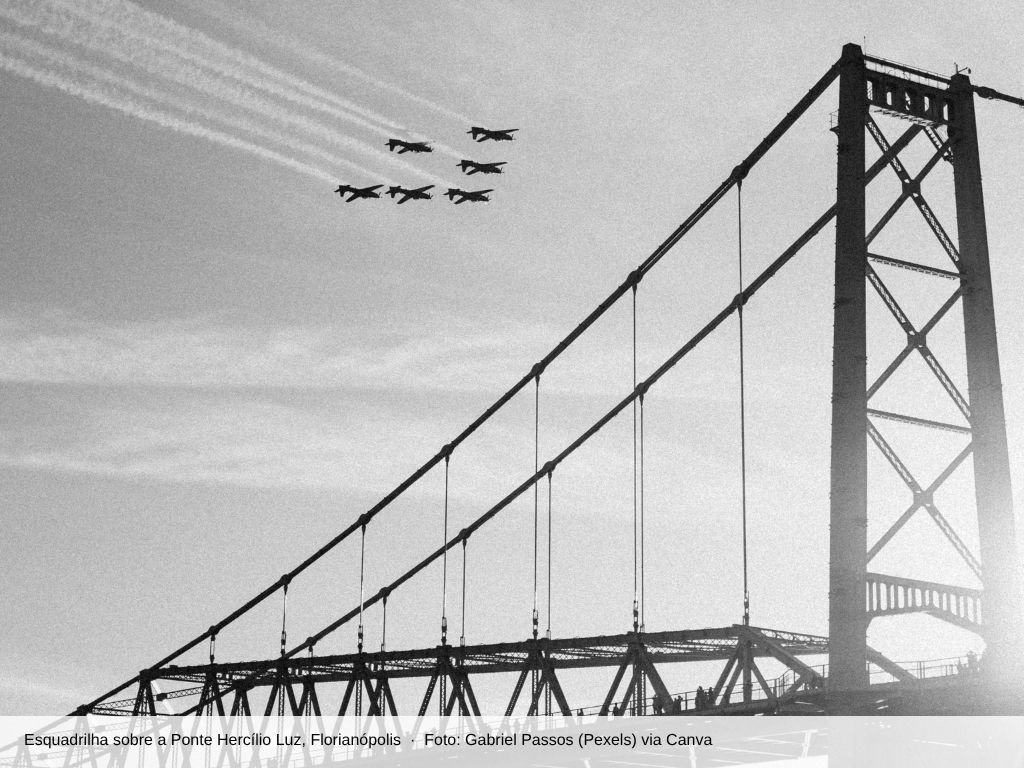
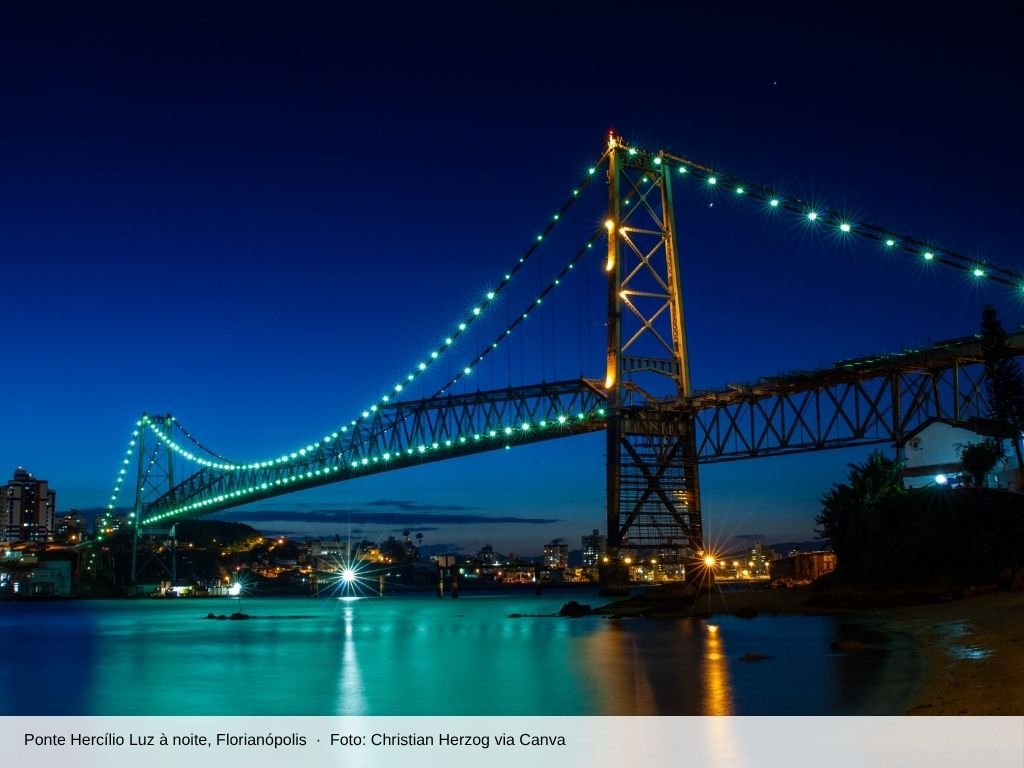
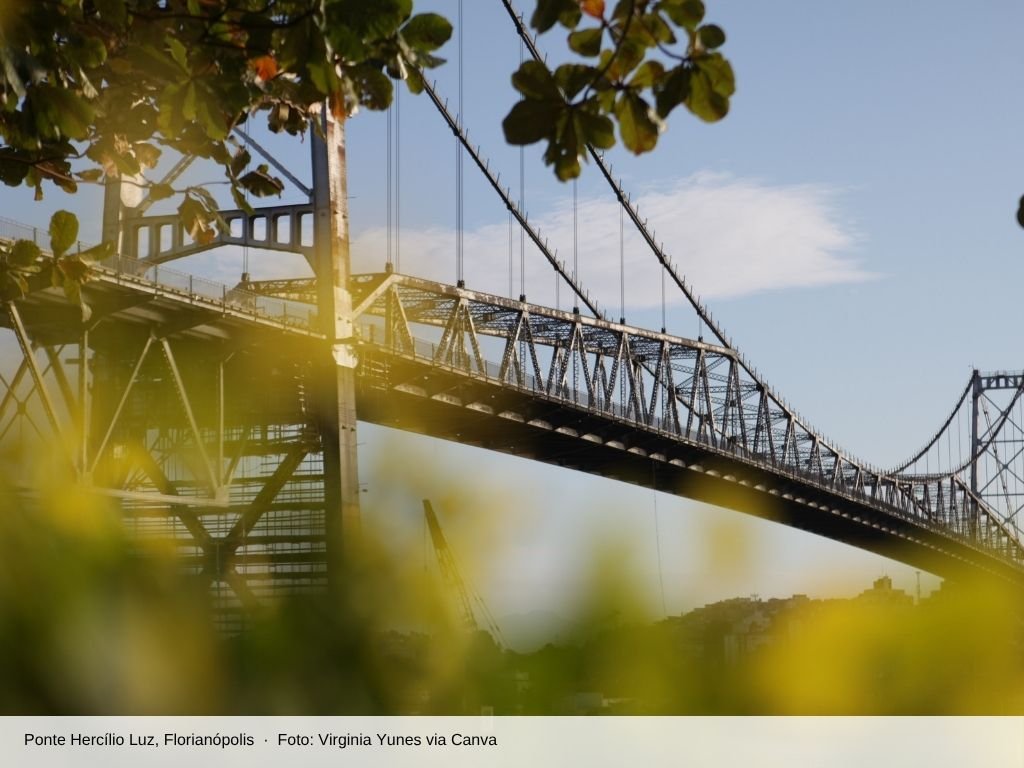
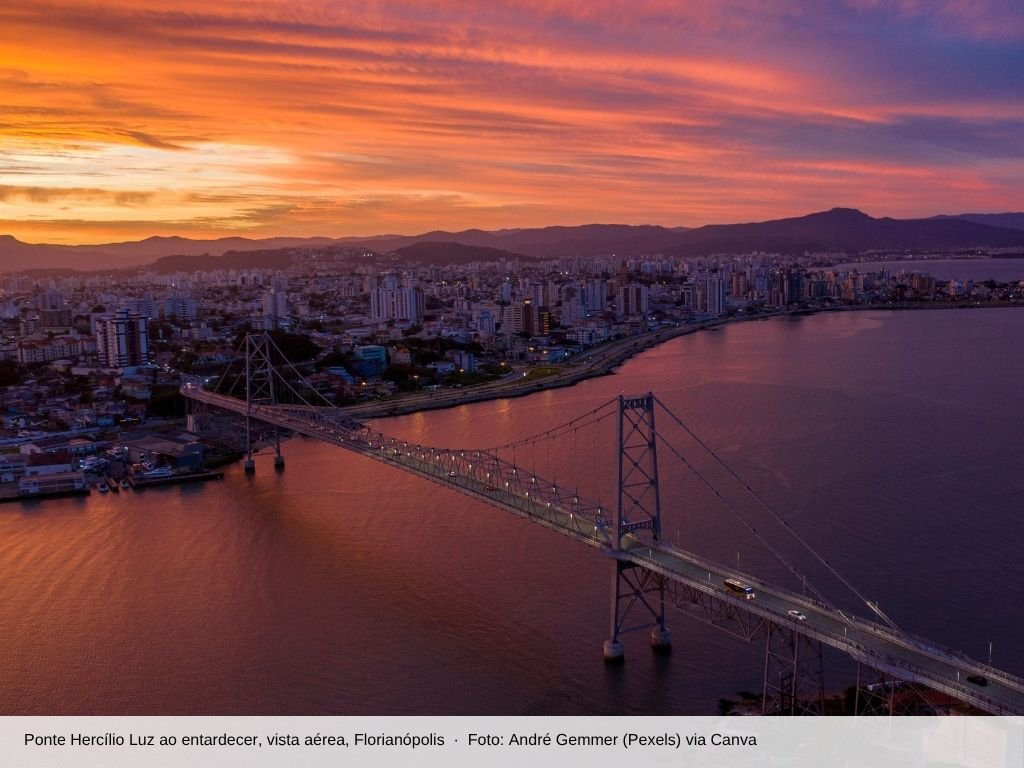
Opened on May 13, 1926, the Hercílio Luz Bridge was the first permanent link between the island and the mainland and celebrated its 100th anniversary in 2026. The 821-meter crossing can be traversed on foot every day: via the side walkways on weekdays and across the entire roadway on weekends and holidays. At dusk, the scenic lighting—featuring more than 7,000 LED lights—illuminates the bridge and changes color on special occasions.


Photos: Christian Herzog, Virginia Yunes, André Gemmer (Pexels), and Gabriel Passos (Pexels) via Canva.
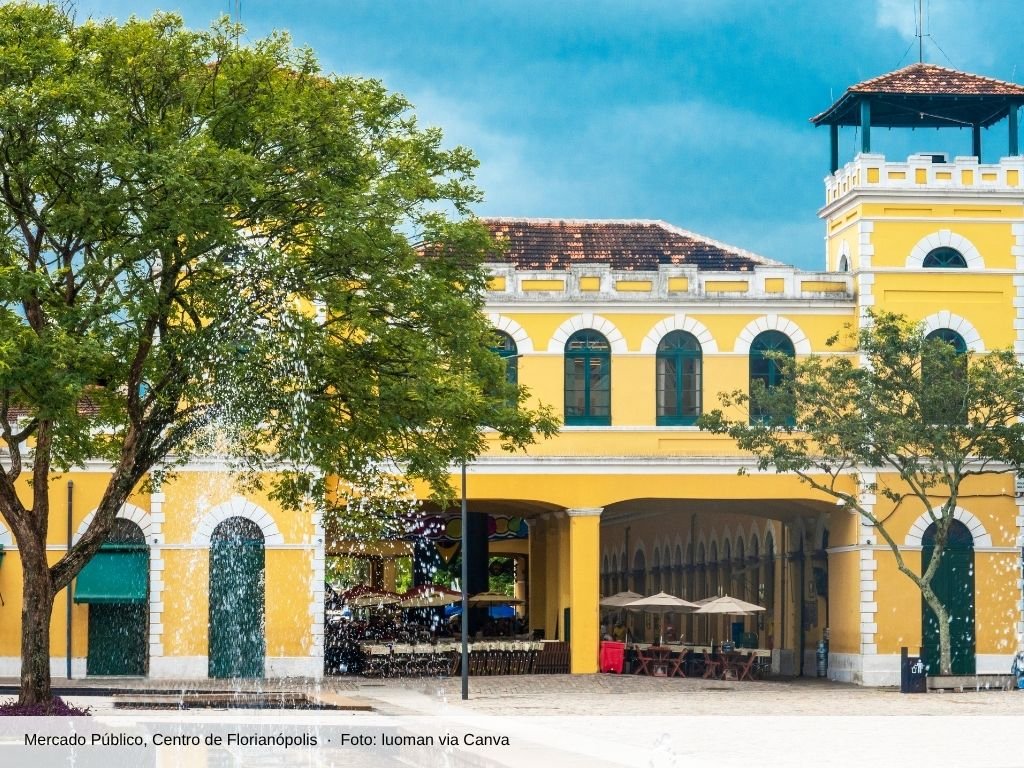
Over 120 years old, the Public Market houses about 100 stalls in the Historic Center. The north wing features handicrafts, bobbin lace, and souvenirs; the south wing, fishmongers and butchers; and the central atrium, bars and restaurants. It’s the closest place to the hotel to buy seafood and try the cockle pastries.
Photo: luoman via Canva.
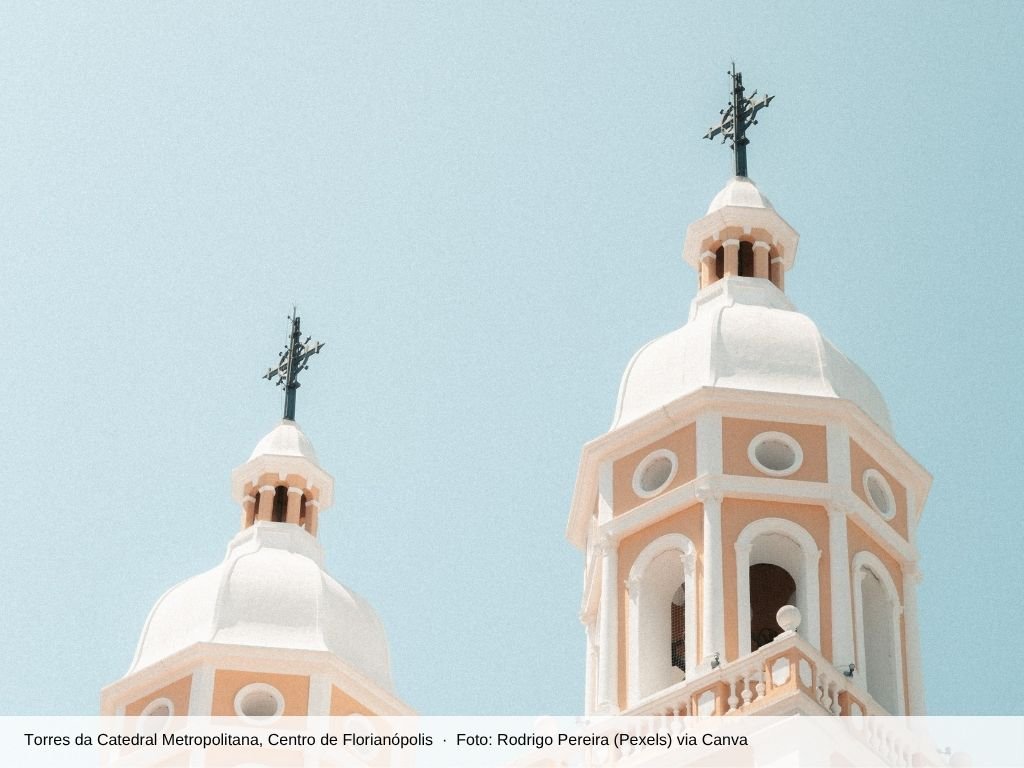
The Metropolitan Cathedral was built between 1753 and 1773 on the same site as the Chapel of Our Lady of Exile, the first chapel in the town. The façade was given a neoclassical portico during the 1922 renovation. Inside is the sculpture *Flight into Egypt* by Ferdinand Demetz, featuring a life-size depiction of the Holy Family.
Photo: Rodrigo Pereira (Pexels) via Canva.
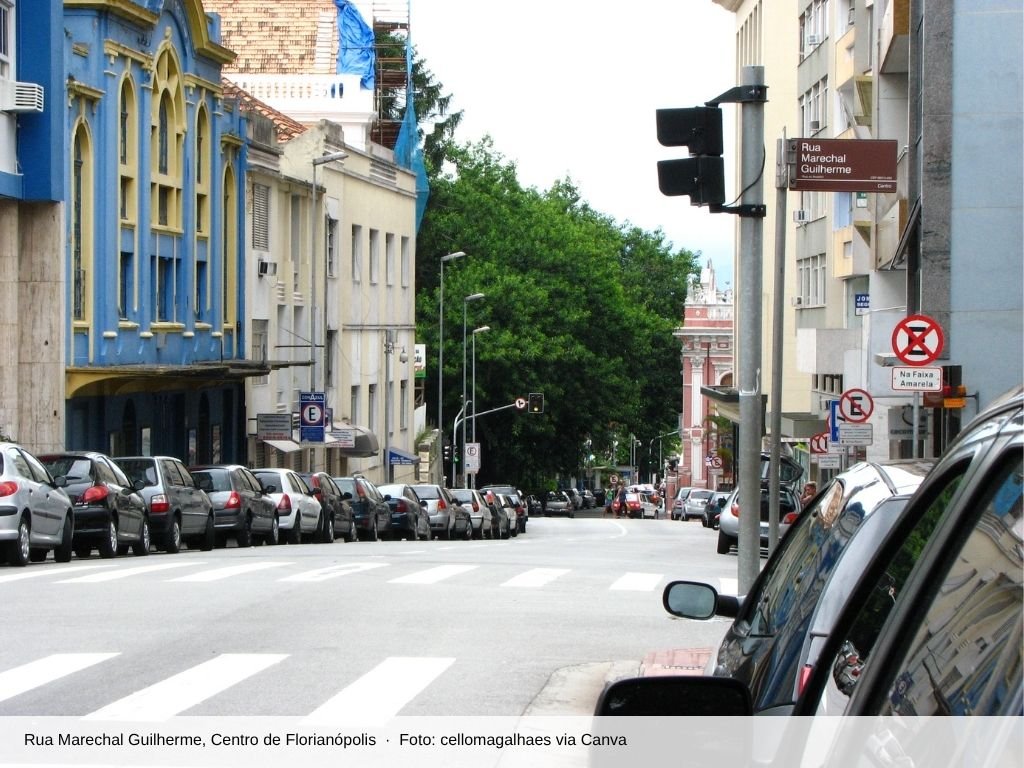
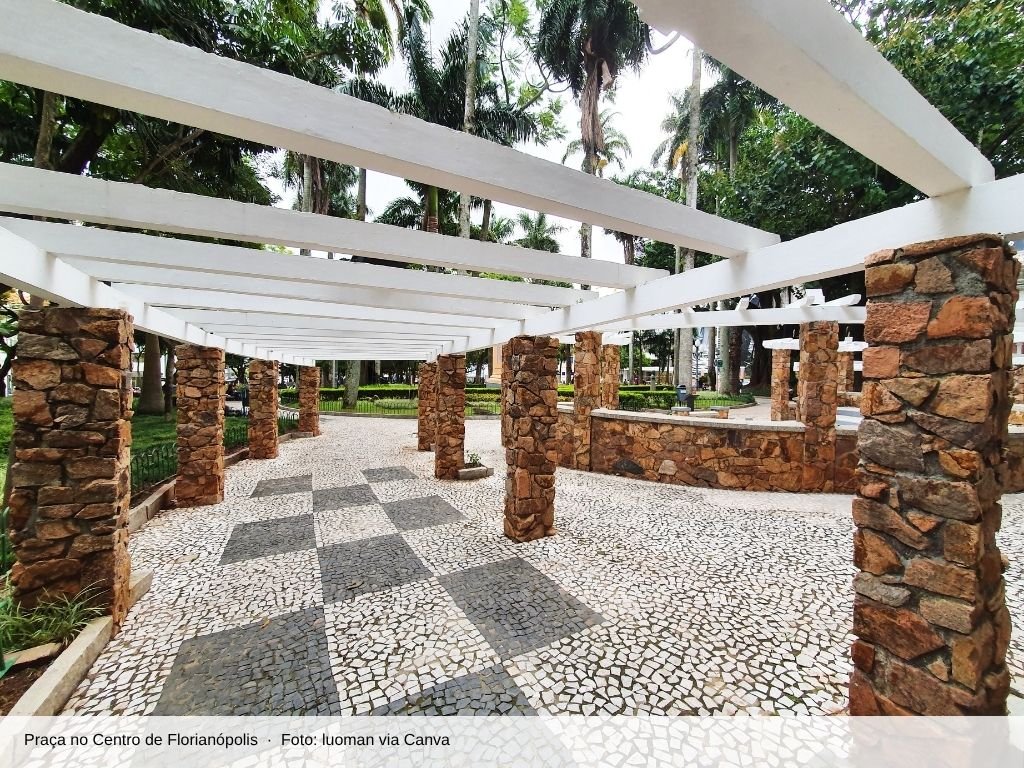
The pedestrian promenade along Felipe Schmidt Street—the capital’s main shopping street—and Conselheiro Mafra Street, which ends practically at Bento Gonçalves Street, lead from the hotel to Praça XV on foot. Along the way, Marechal Guilherme Street—formerly Rosário Street—features historic houses that make for great photos. During holidays such as Easter and Christmas, Praça XV and Largo da Alfândega are decorated with holiday-themed decorations.


Photos: cellomagalhaes and luoman via Canva.
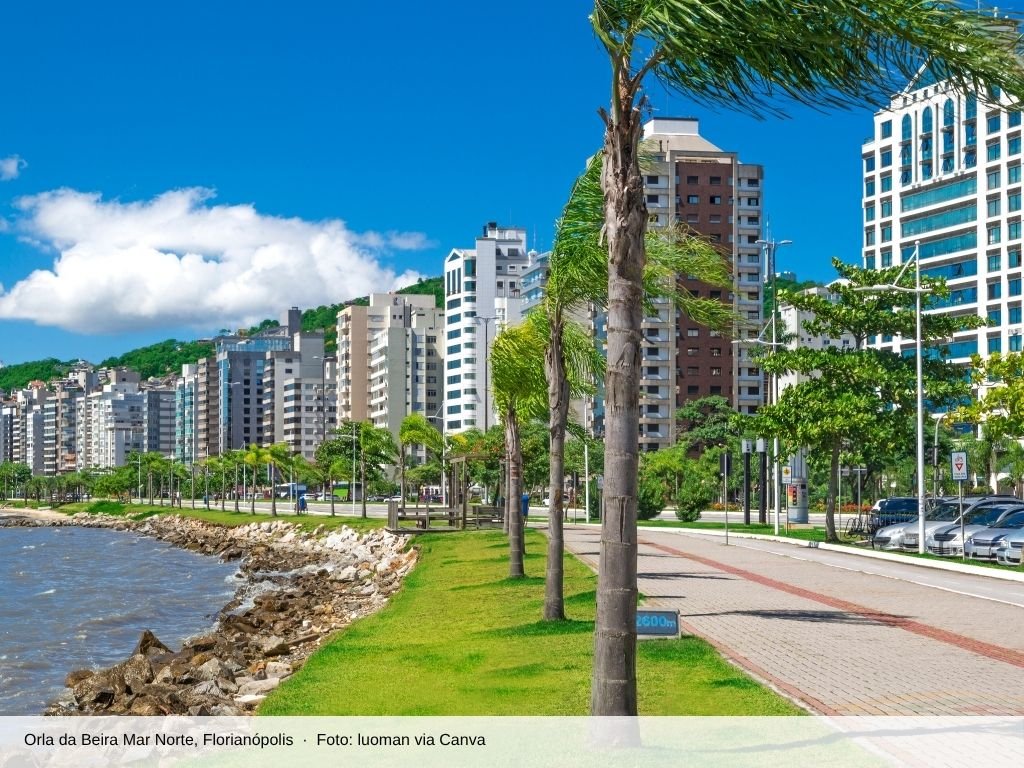
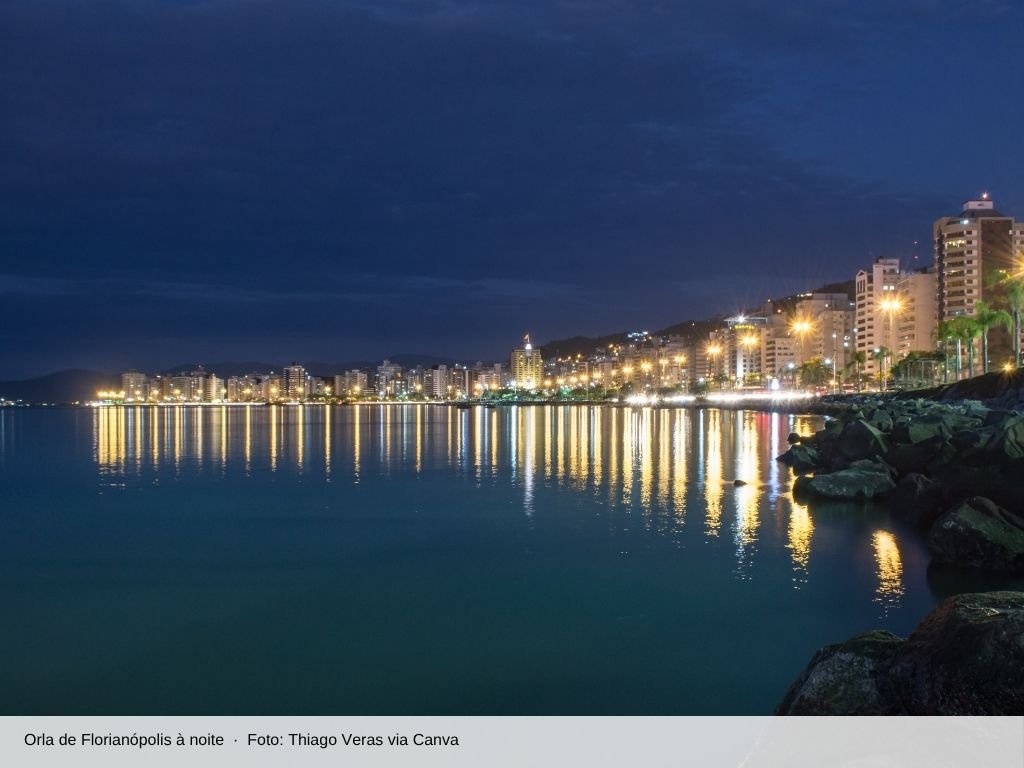
There are about 7 km of boardwalk, bike path, and decks along the North Bay, from the base of the Hercílio Luz Bridge to the access point to the northern part of the island. In the late afternoon, the waterfront fills with people walking, jogging, and biking, as the sun sets toward the mainland. At night, the activity continues, with the city lights reflecting off the water.


Photos: luoman and Thiago Veras via Canva.
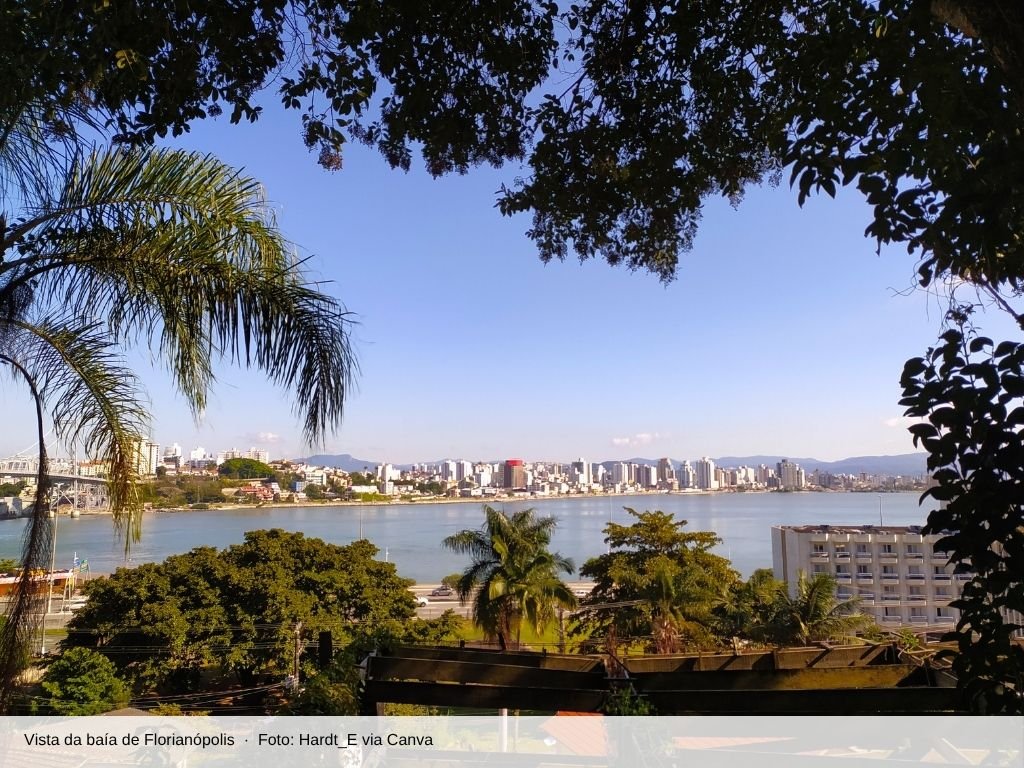
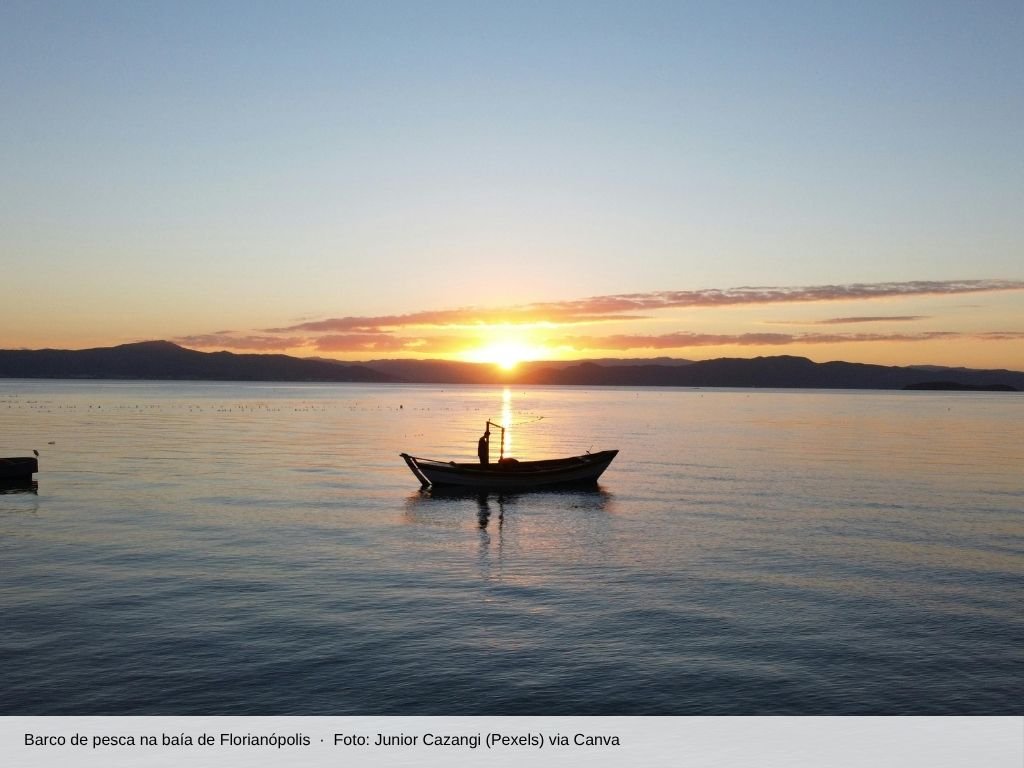
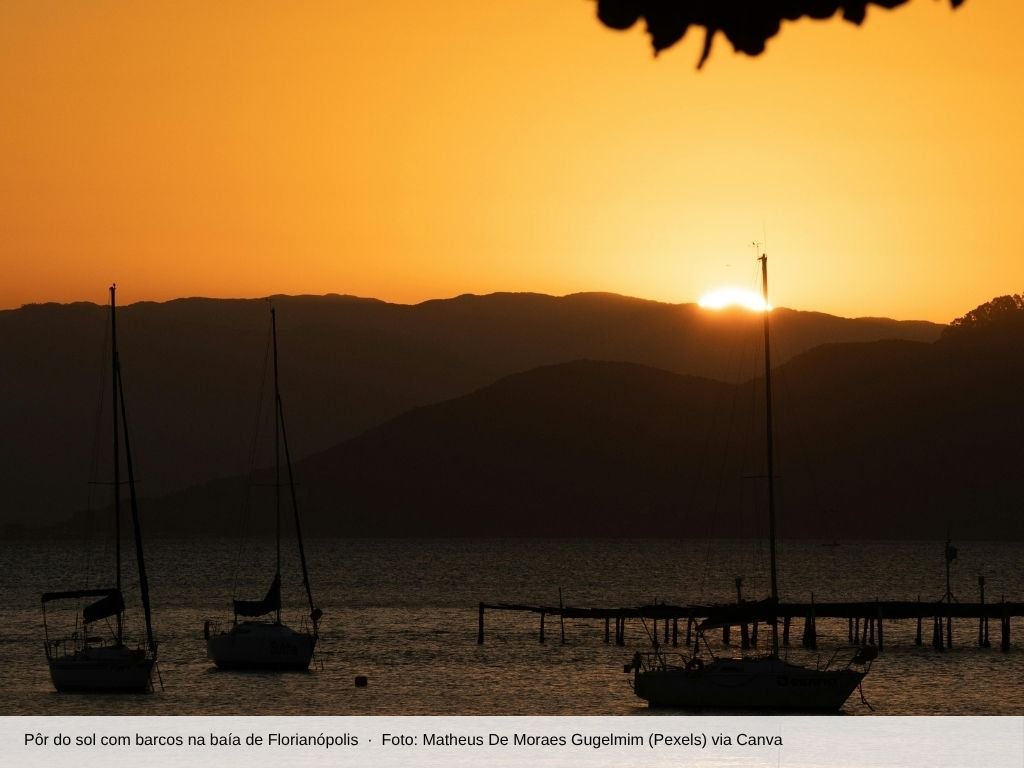
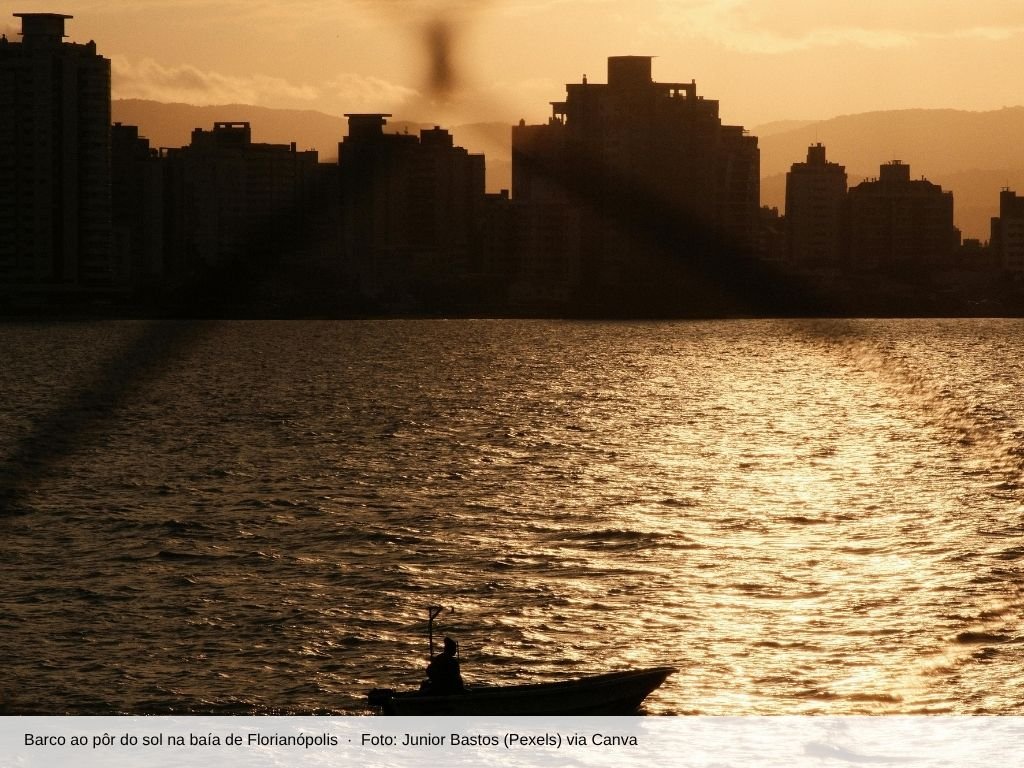
The island is surrounded by North Bay and South Bay, and the side facing the mainland offers the best spots to watch the sunset. Fishing boats and sailboats complete the late-afternoon scene. Schooner tours depart from the pier under the Hercílio Luz Bridge, including a short sunset cruise.


Photos: Hardt_E, Junior Cazangi (Pexels), Matheus De Moraes Gugelmim (Pexels), and Junior Bastos (Pexels) via Canva.
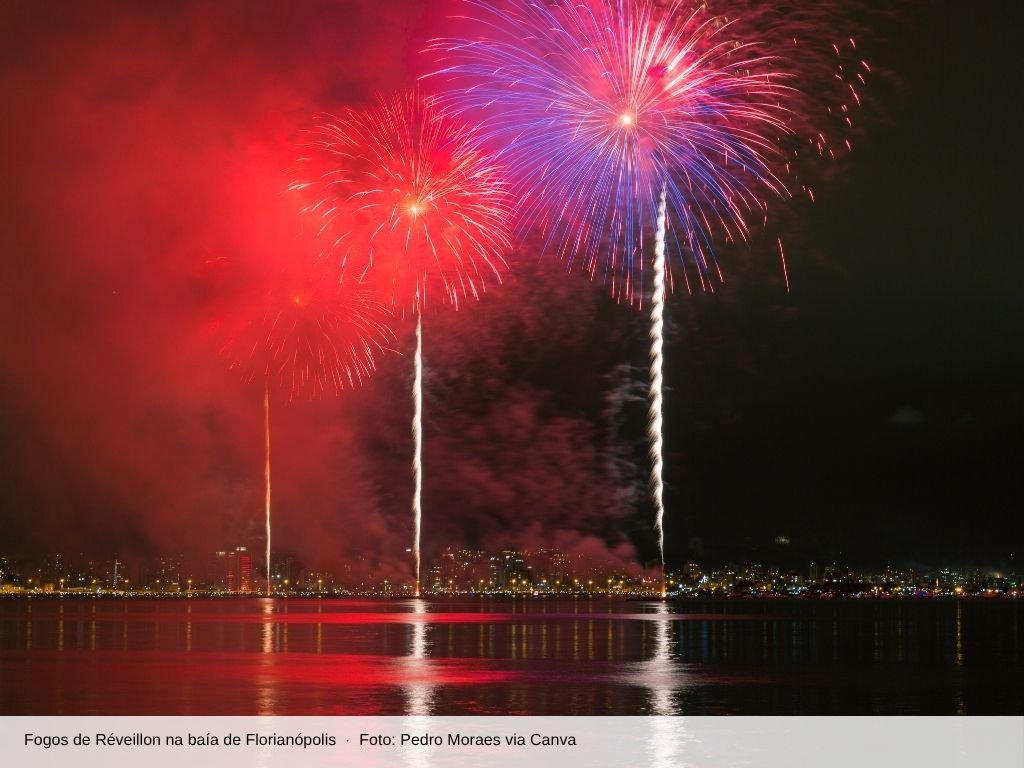
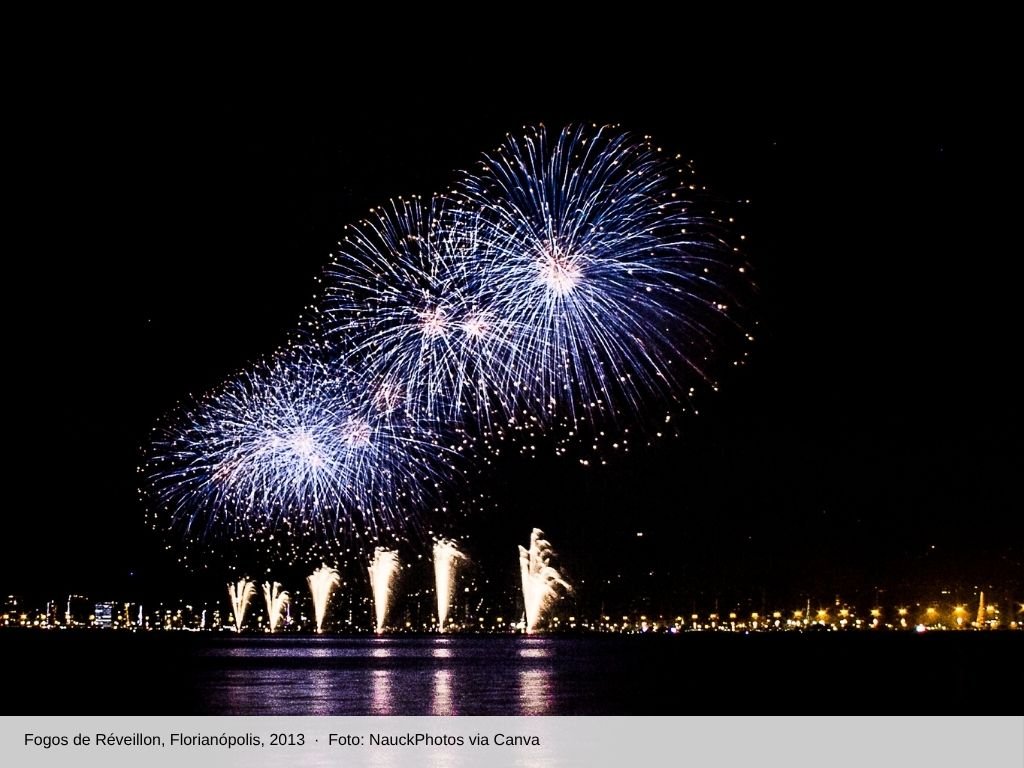
On New Year’s Eve, fireworks are set off over the bay at midnight, with official stages at Beira-Mar Norte and Beira-Mar Continental. On New Year’s Eve 2026, the celebration drew more than 700,000 people, according to the Military Police, featuring a 15-minute fireworks display and a light show on the Hercílio Luz Bridge. Those in the city center can walk to Beira-Mar Norte.


Photos: Pedro Moraes and NauckPhotos via Canva.
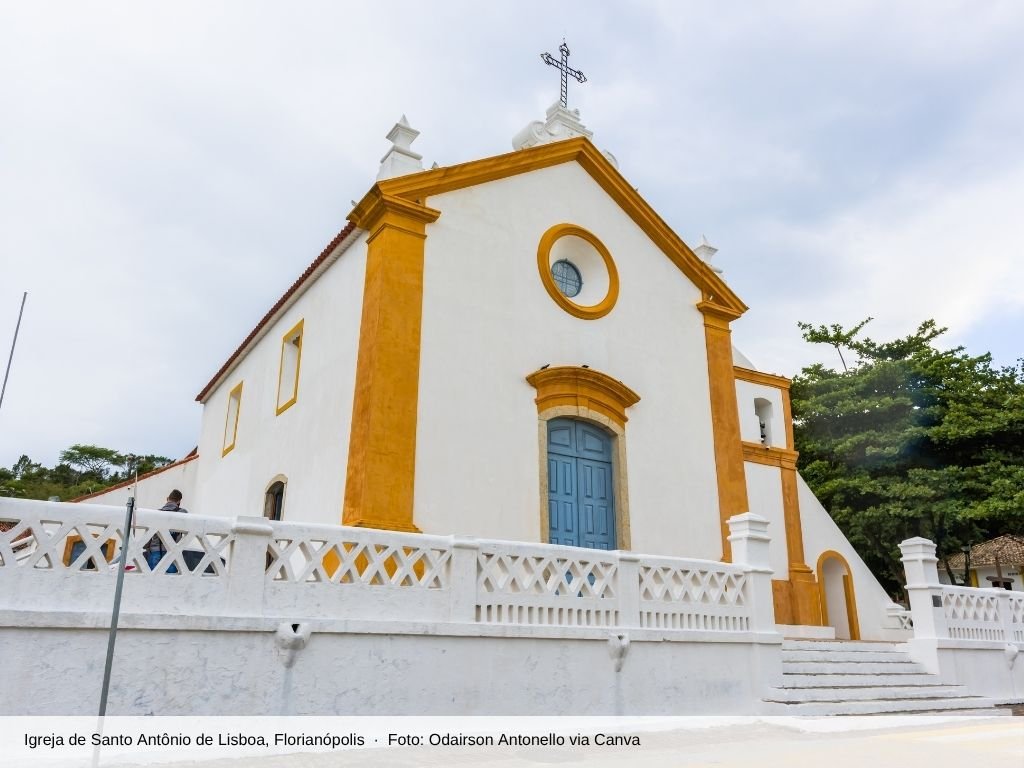
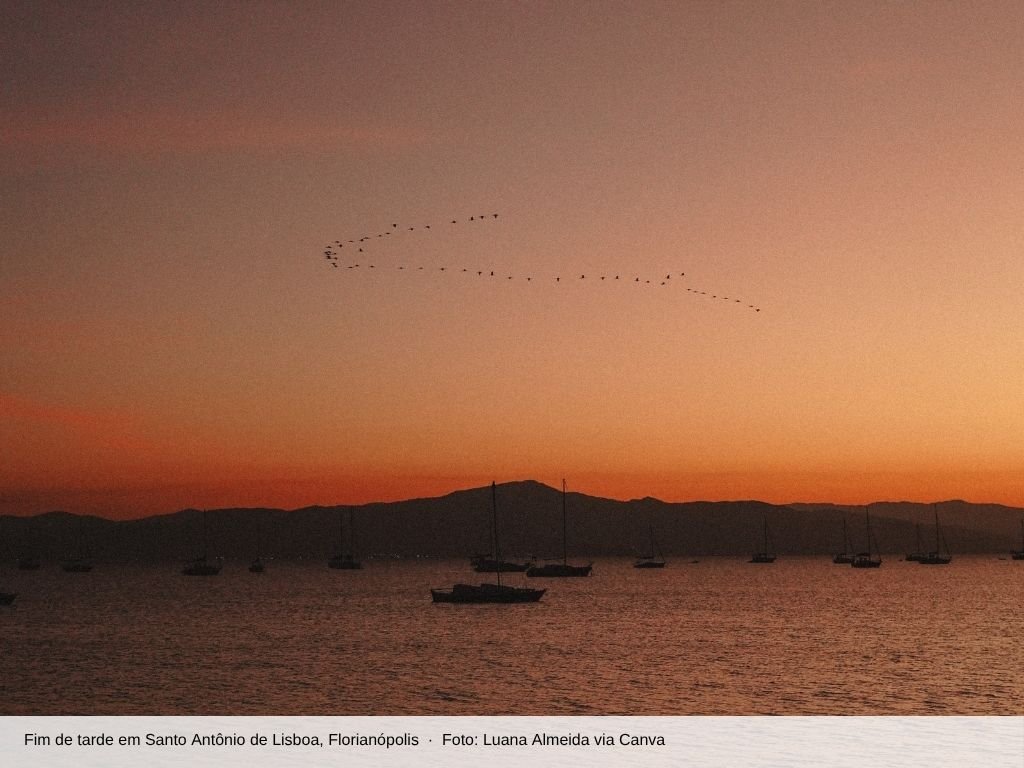
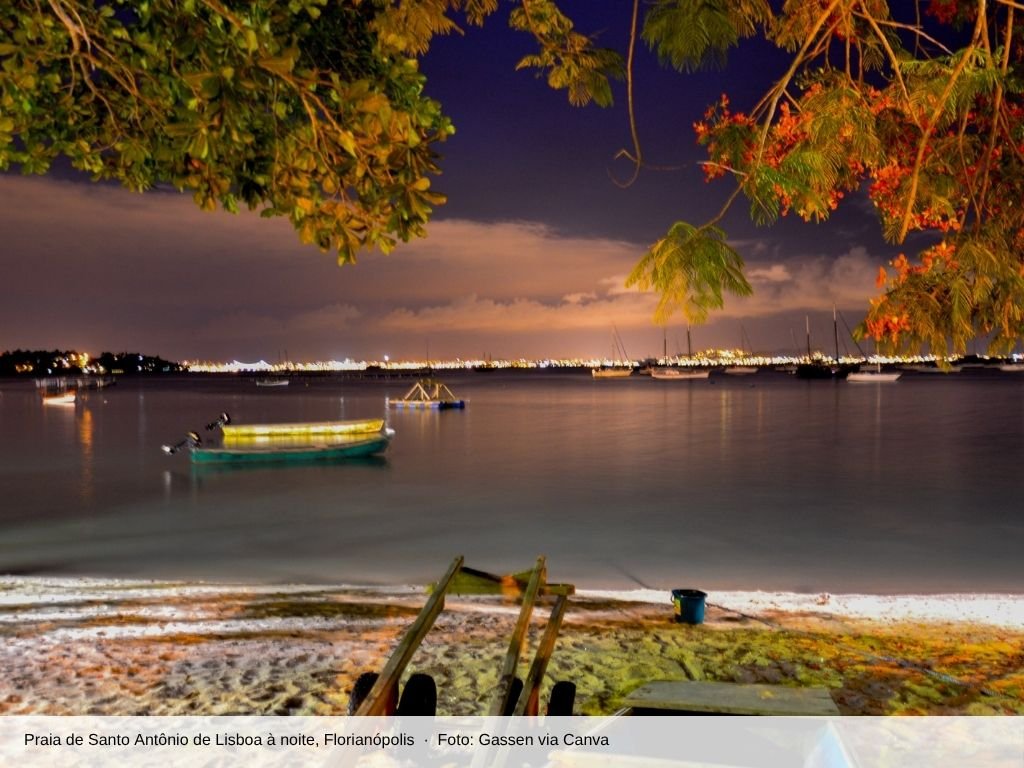
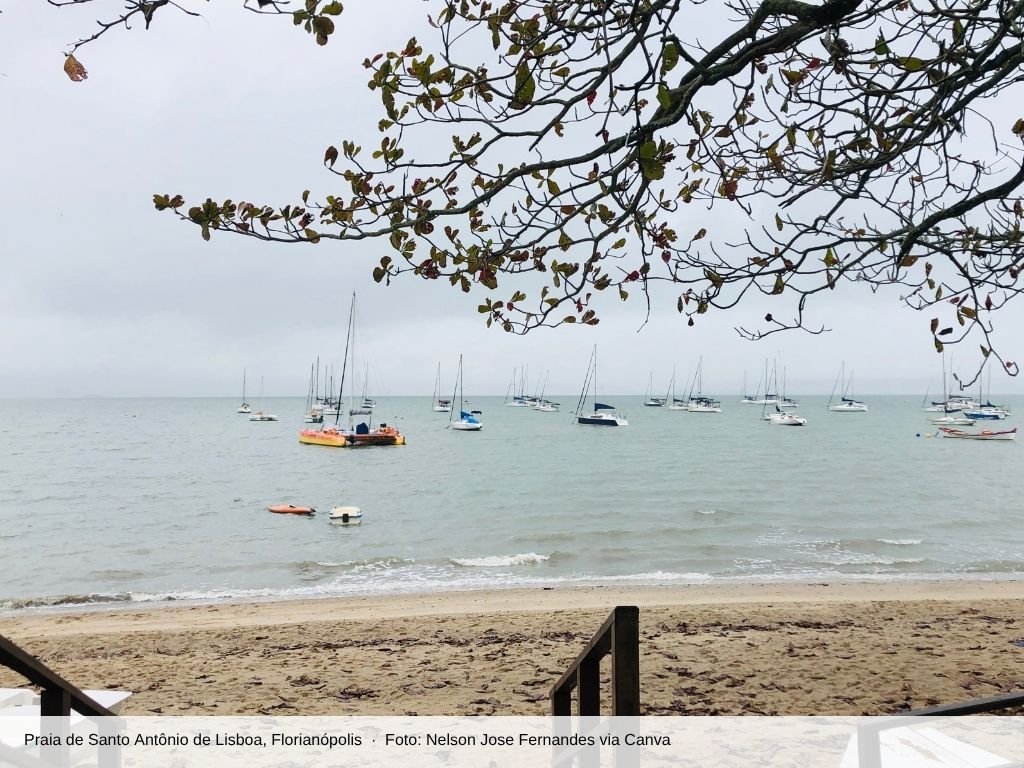
One of the city’s oldest neighborhoods, Santo Antônio de Lisboa welcomed the first Azorean families in 1748 and is home to colonial-era houses and the Nossa Senhora das Necessidades Church, built between 1750 and 1756. Overlooking Baía Norte, it offers Florianópolis’s most memorable sunset, with boats anchored in the foreground. In 2025, the entire historic parish was recognized by IPHAN as a Brazilian cultural heritage site.


Photos: Odairson Antonello, Luana Almeida, Gassen, and Nelson Jose Fernandes via Canva.
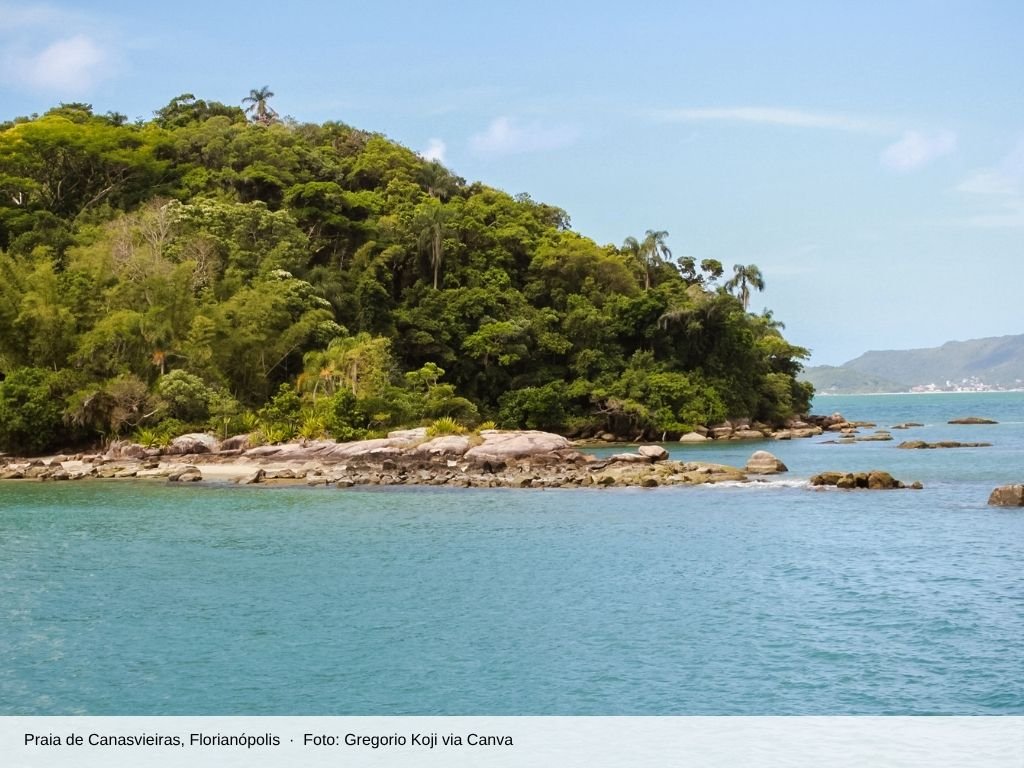
Canasvieiras is the most popular beach with calm waters in the northern part of the island, with about 2.4 km of sandy beach facing the bay. The water is calm, making it ideal for families with children, as well as for kayaking and stand-up paddleboarding. The surrounding neighborhood features restaurants, markets, and shops.
Photo: Gregorio Koji via Canva.
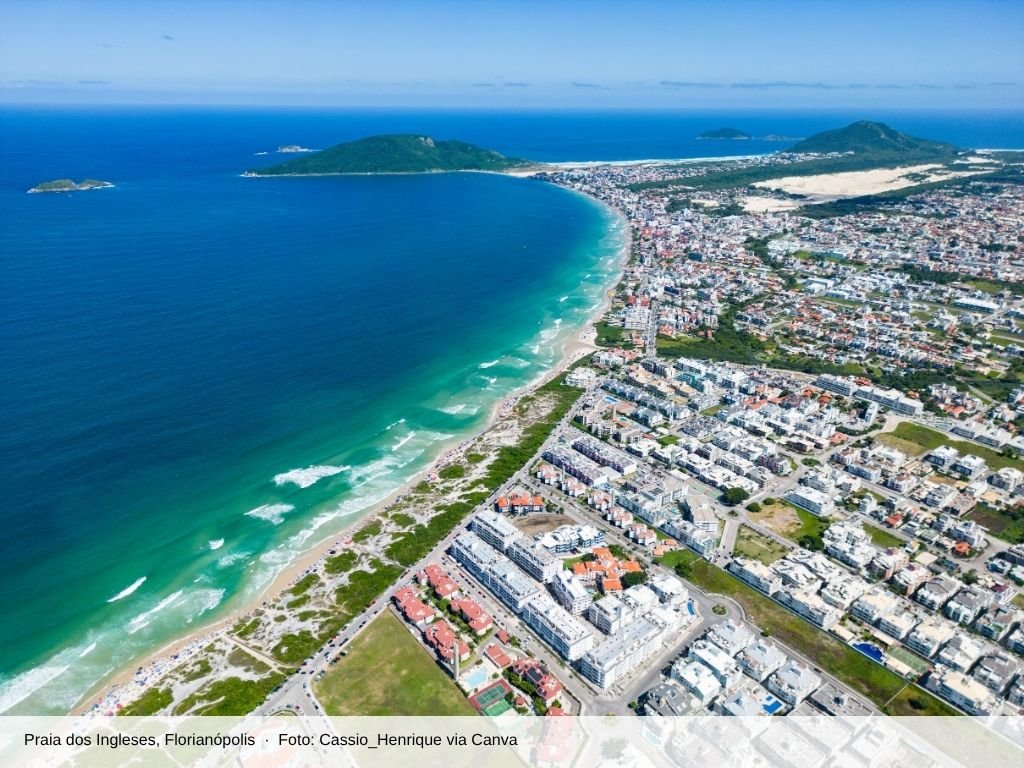
There are about 5 km of sandy beach and a neighborhood with shops open year-round. At the southern end lies the city’s largest dune formation, which stretches all the way to the neighboring Praia do Santinho. The name commemorates the shipwreck of an English ship off the coast between the late 17th and early 18th centuries.
Photo: Cassio_Henrique via Canva.
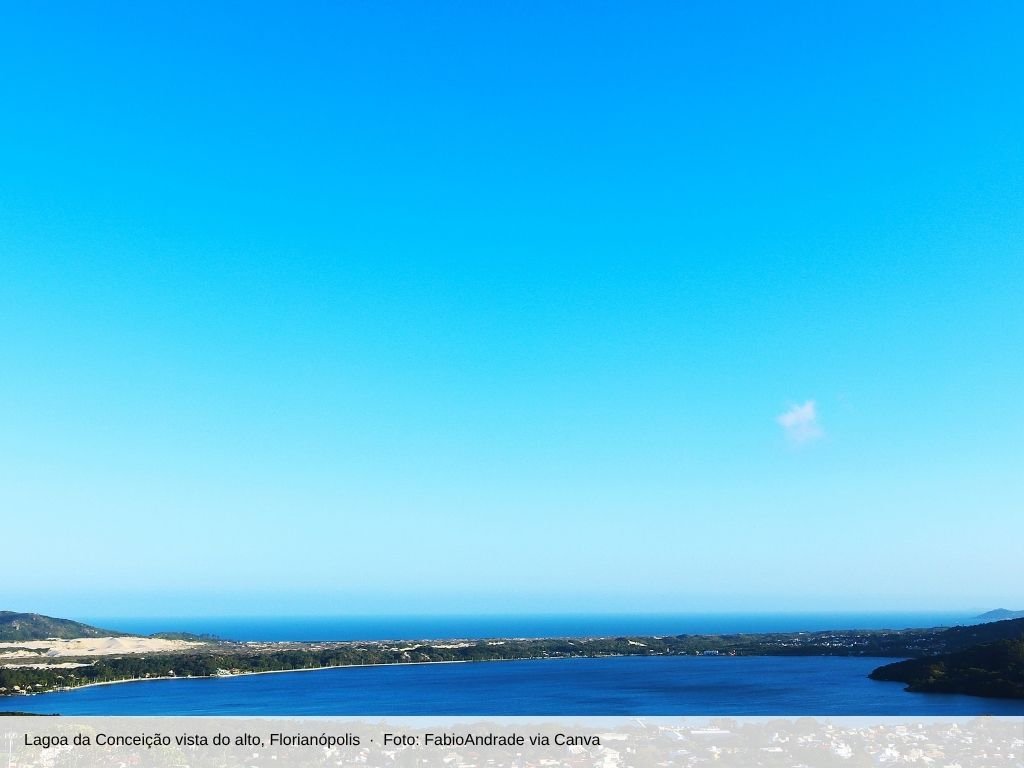
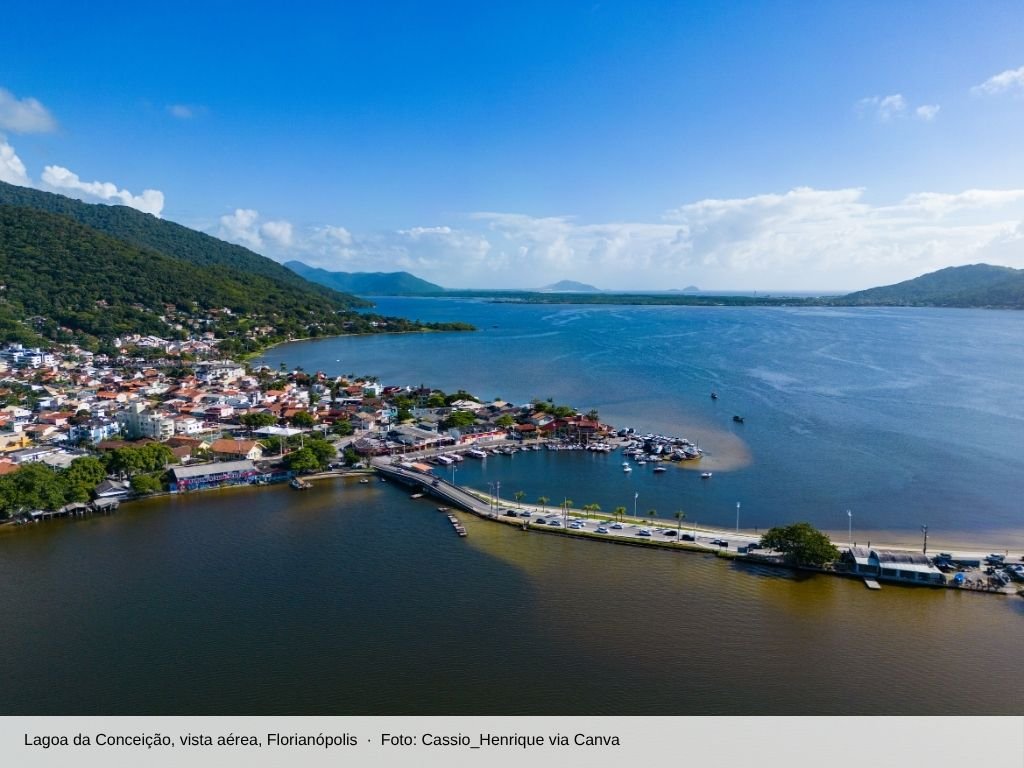
On the way between the city center and the lagoon, the Morro da Lagoa lookout offers a view of the entire lagoon nestled between the hills, with the dunes and the sea in the background. Down below, Centrinho is home to shops, bars, and restaurants, and Avenida das Rendeiras features seafood restaurants right on the water. The lace makers keep bobbin lace alive in the neighborhood.


Photos: FabioAndrade and Cassio_Henrique via Canva.
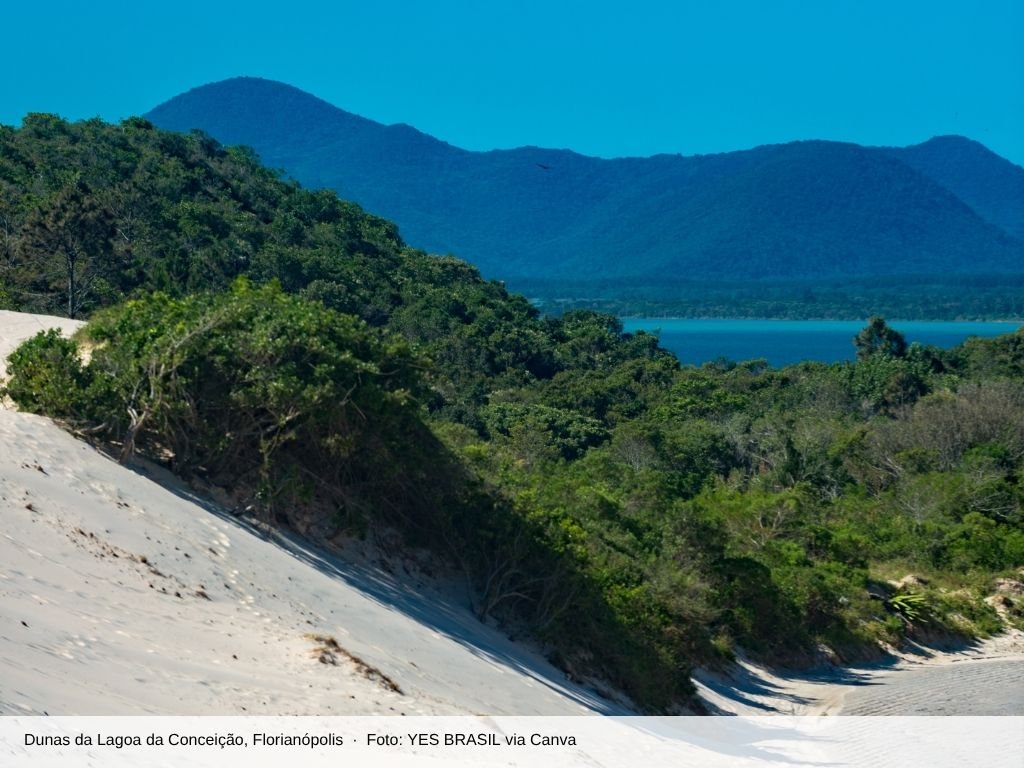
The dunes are located between Avenida das Rendeiras and Joaquina Beach and are part of a municipal nature park covering about 700 hectares. Admission is free, and at the entrance on Avenida das Rendeiras, you can rent sandboards. The best times to visit are early morning and late afternoon, when the sand is cooler.
Photo: YES BRASIL via Canva.
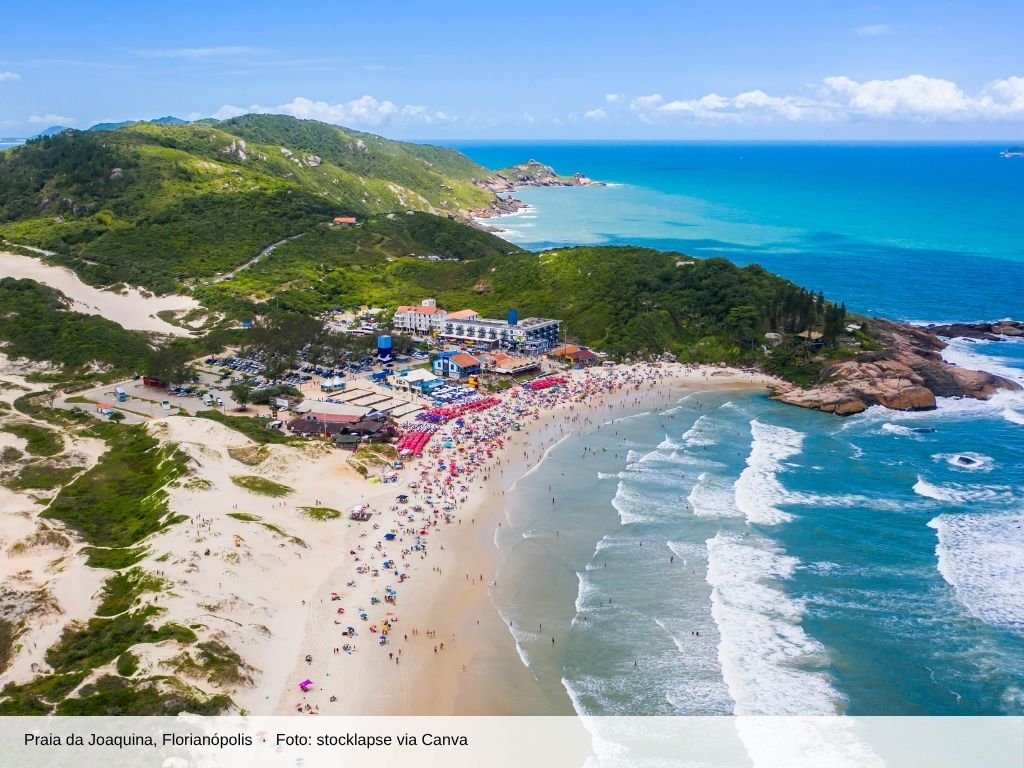
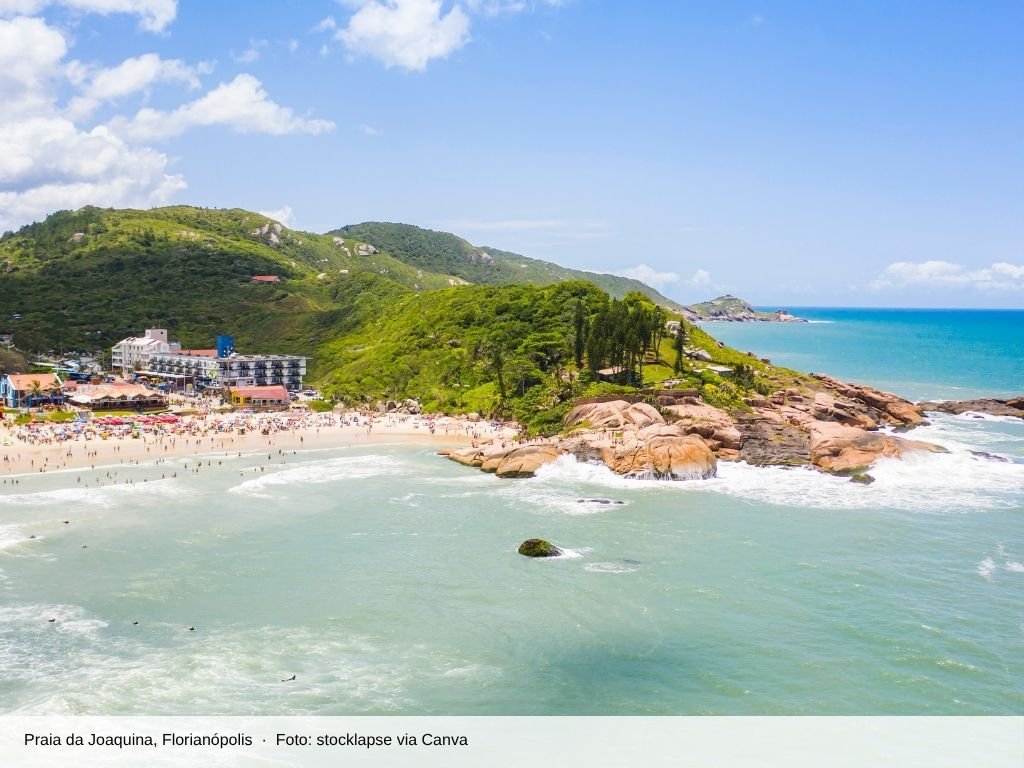
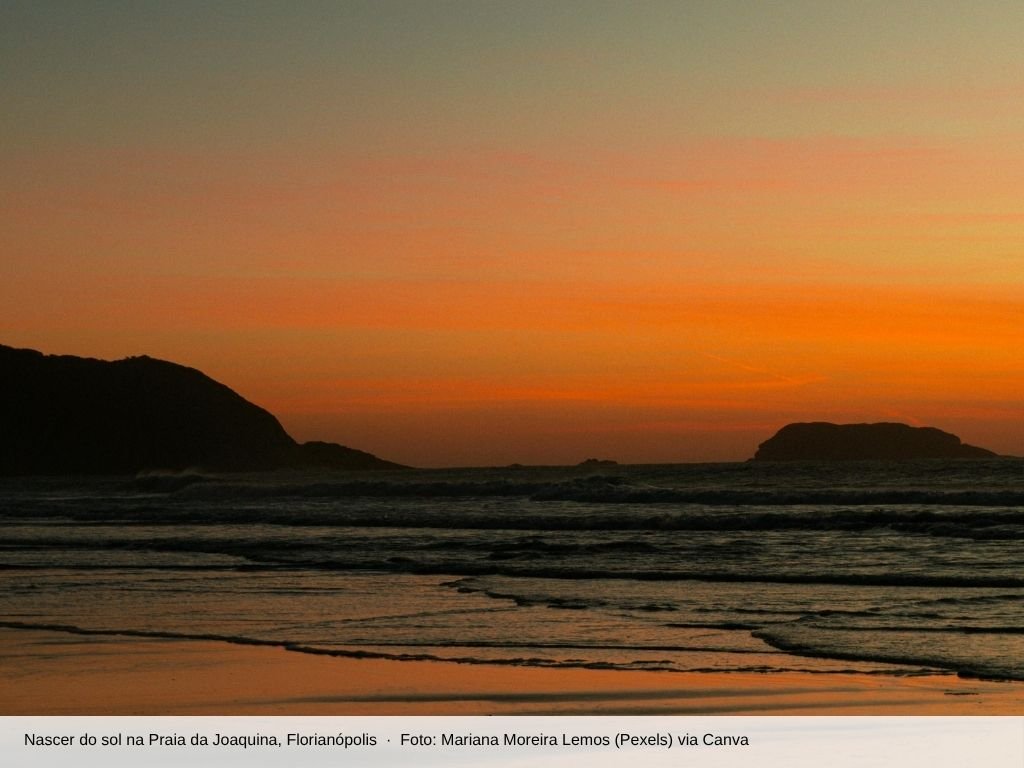
Joaquina is the most famous surfing spot in Florianópolis, with about 3 km of sandy beach, strong waves, and a rocky coastline on the left side. It was the venue for the Hang Loose Pro Contest, which debuted there in 1986 and brought Brazil back onto the world surfing circuit. Facing the ocean, it’s also one of the best spots to watch the sunrise.


Photos: stocklapse and Mariana Moreira Lemos (Pexels) via Canva.
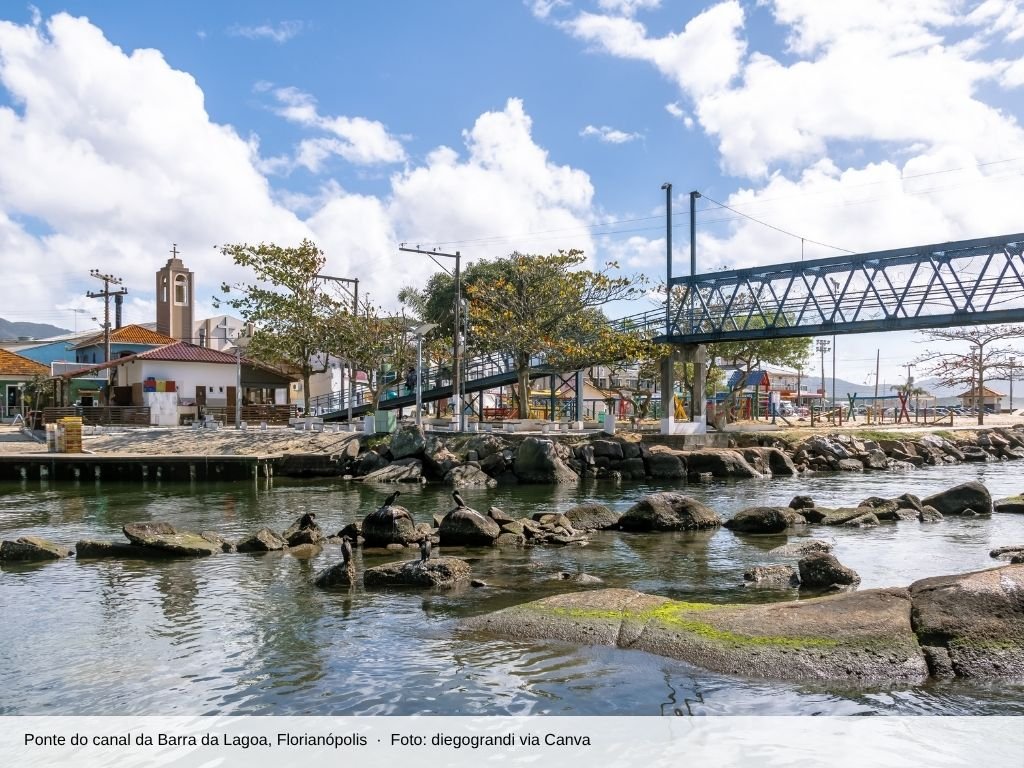
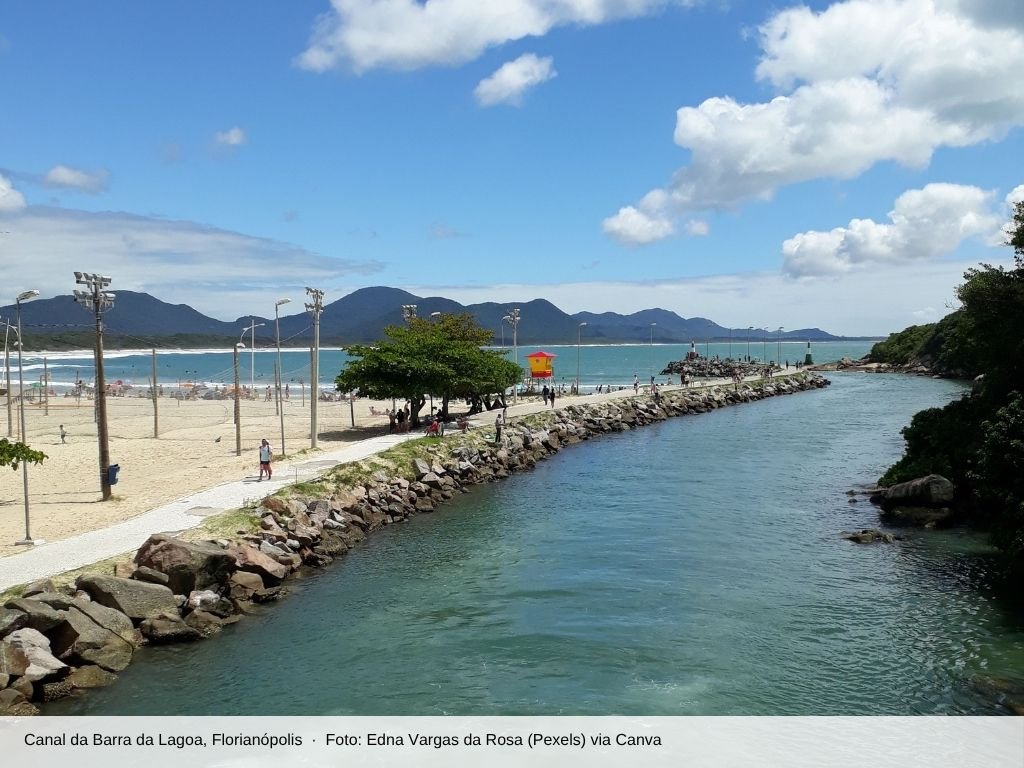
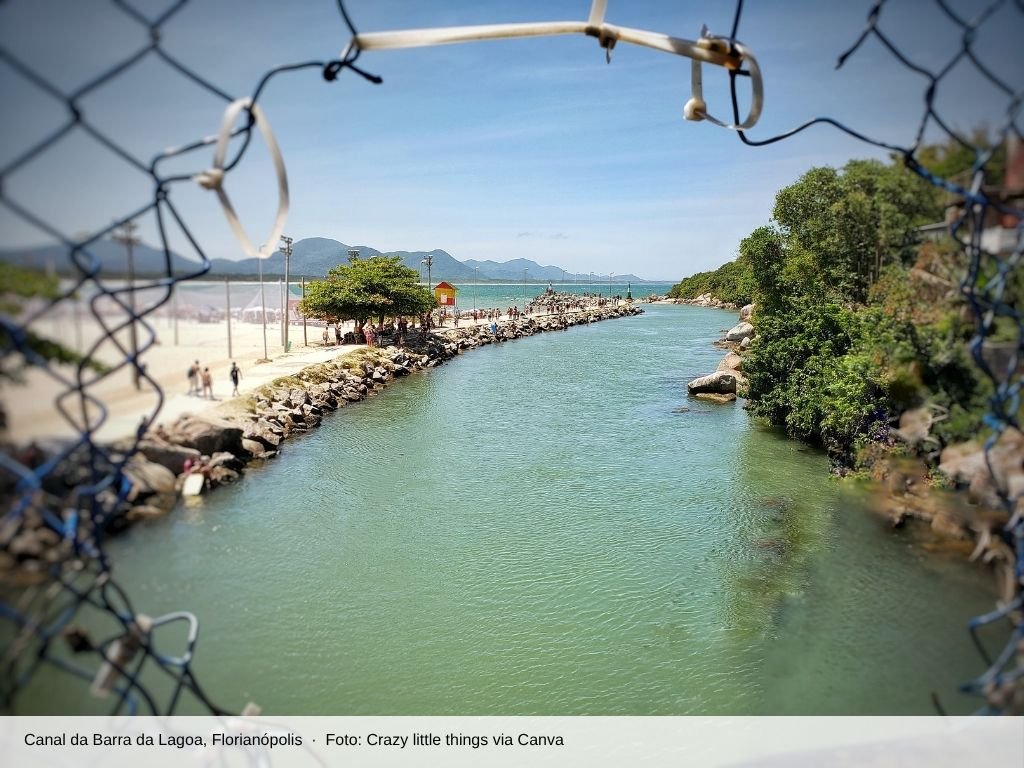
This is where Lagoa da Conceição meets the sea, through a turquoise-green channel protected by stone jetties. Fishing boats are moored in the channel, and the bridge over it leads to Prainha da Barra and the short trail to the natural pools. The old fishing village still relies on fishing for its livelihood, and in the winter, the mullet fishing season brings the community to life.


Photos: diegograndi, Edna Vargas da Rosa (Pexels), and Crazy little things via Canva.
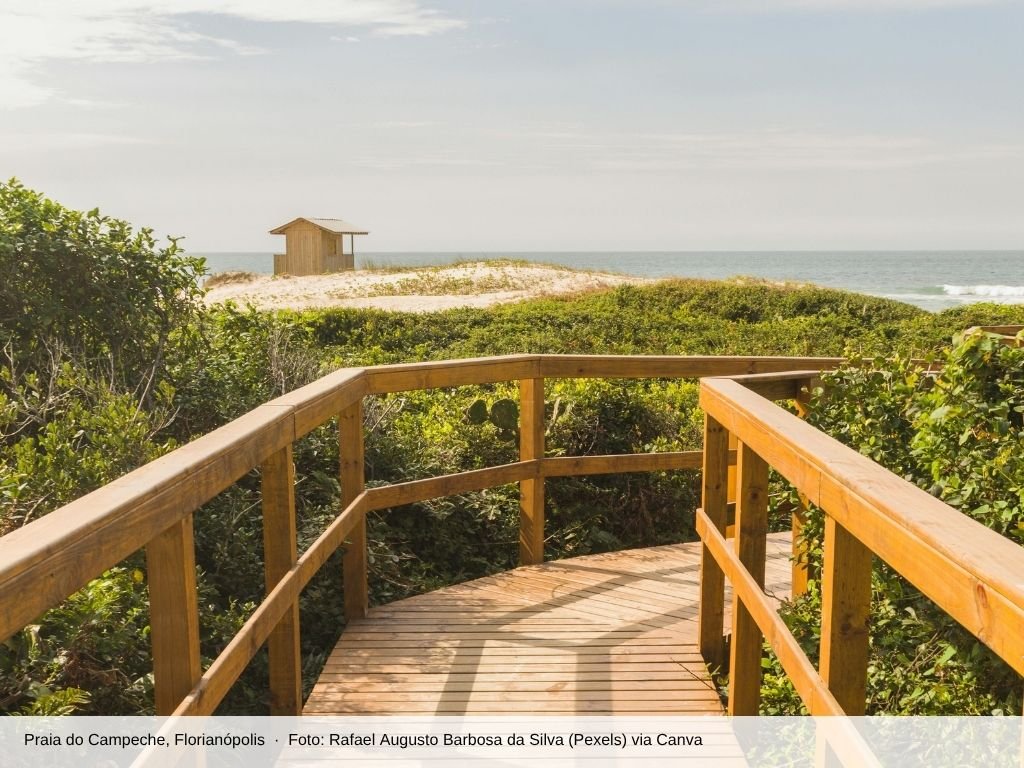
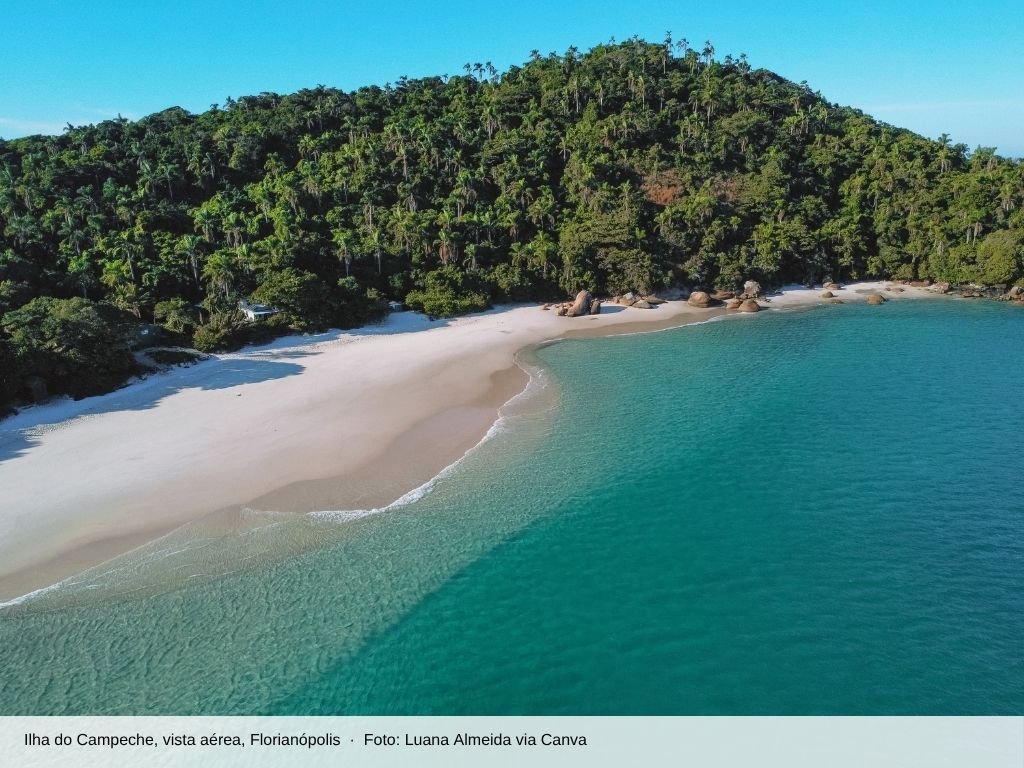
Campeche Beach has wide, light-colored sand, good waves for surfing, and preserves the history of Antoine de Saint-Exupéry’s visit—the author of *The Little Prince*. Across from the beach lies Campeche Island, designated a heritage site by IPHAN in 2000, featuring more than 100 petroglyphs. The island can only be visited by boat, with prior authorization and a limited number of visitors per day.


Photos: Rafael Augusto Barbosa da Silva (Pexels) and Luana Almeida via Canva.
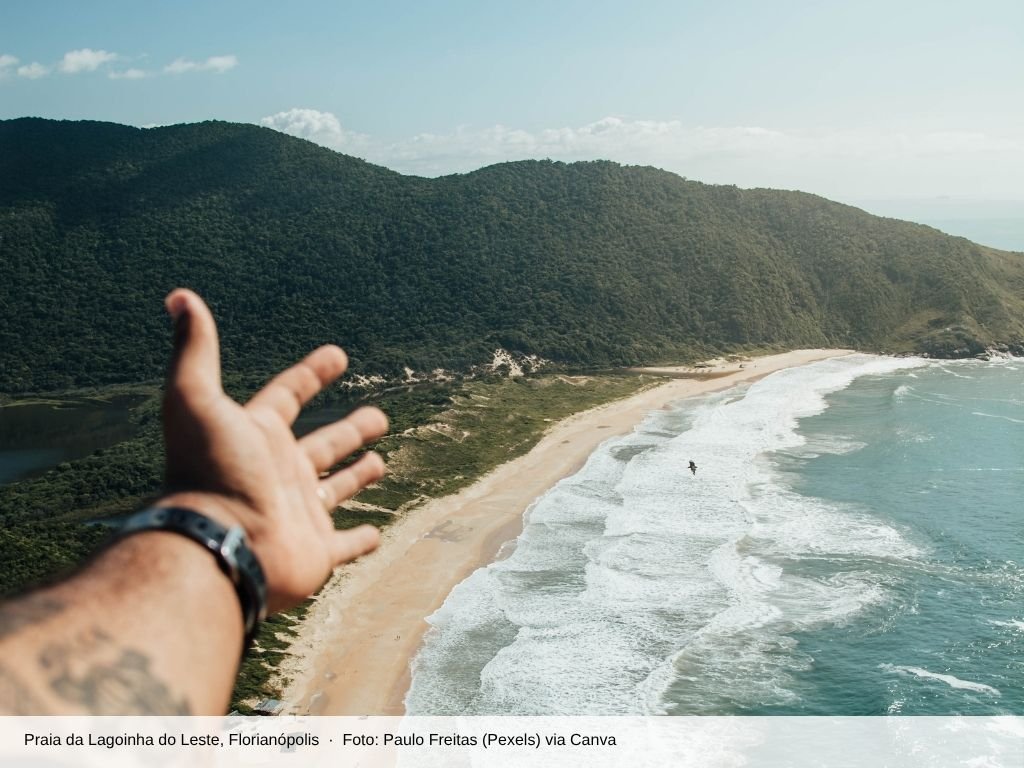
One of the island’s most secluded beaches, with no buildings in sight and a freshwater lagoon right next to the ocean. It’s located within a municipal park and can only be reached by trail: via Pântano do Sul, a hike of about 2.2 km, or via Armação, passing through Matadeiro, a hike of about 4 km. There are no facilities on the beach, so bring water and take your trash back with you.
Photo: Paulo Freitas (Pexels) via Canva.
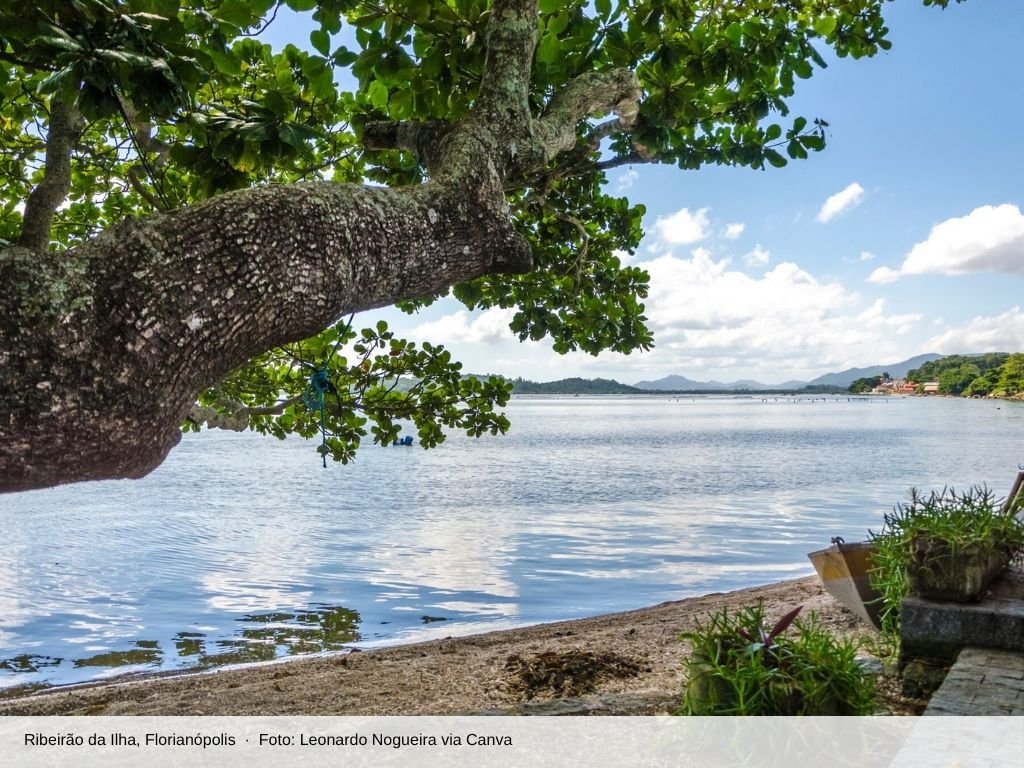
The Ribeirão da Ilha Parish is the historic heart of southern Florianópolis, featuring houses with Azorean architectural heritage and a quiet waterfront overlooking South Bay. The Nossa Senhora da Lapa Church, built with stone, lime, and whale oil, was consecrated in 1806. The neighborhood is also best known for its oyster farms.
Photo: Leonardo Nogueira via Canva.
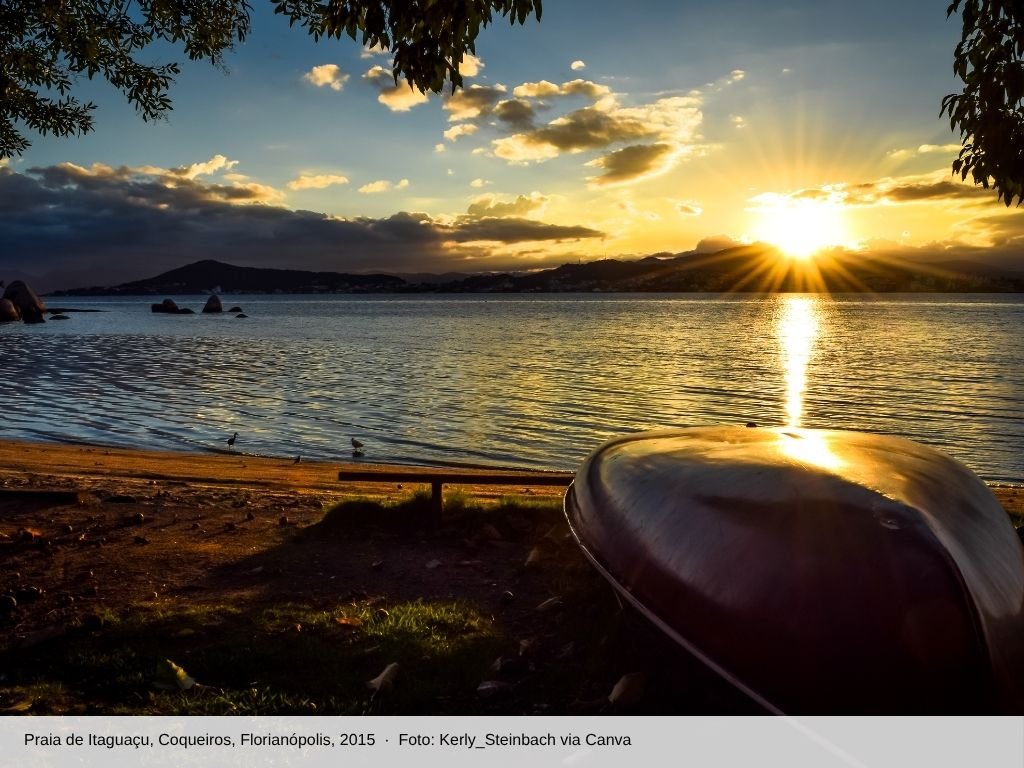
On the mainland side, the Itaguaçu Rocks are large boulders in the water that, according to a legend recorded by Franklin Cascaes, are witches turned to stone. Next to them, Coqueiros Park features a waterfront, decks, and a walking trail. Late afternoon is the best time to visit, with the sun shining over the water and the rocks.
Photo: Kerly_Steinbach via Canva.
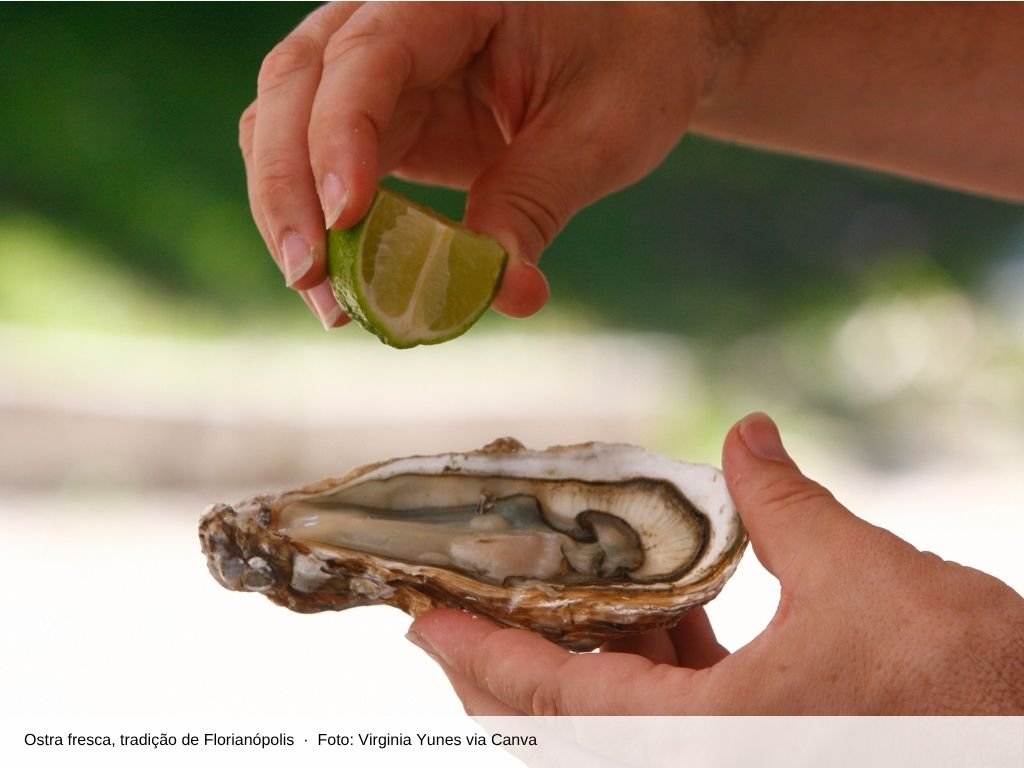
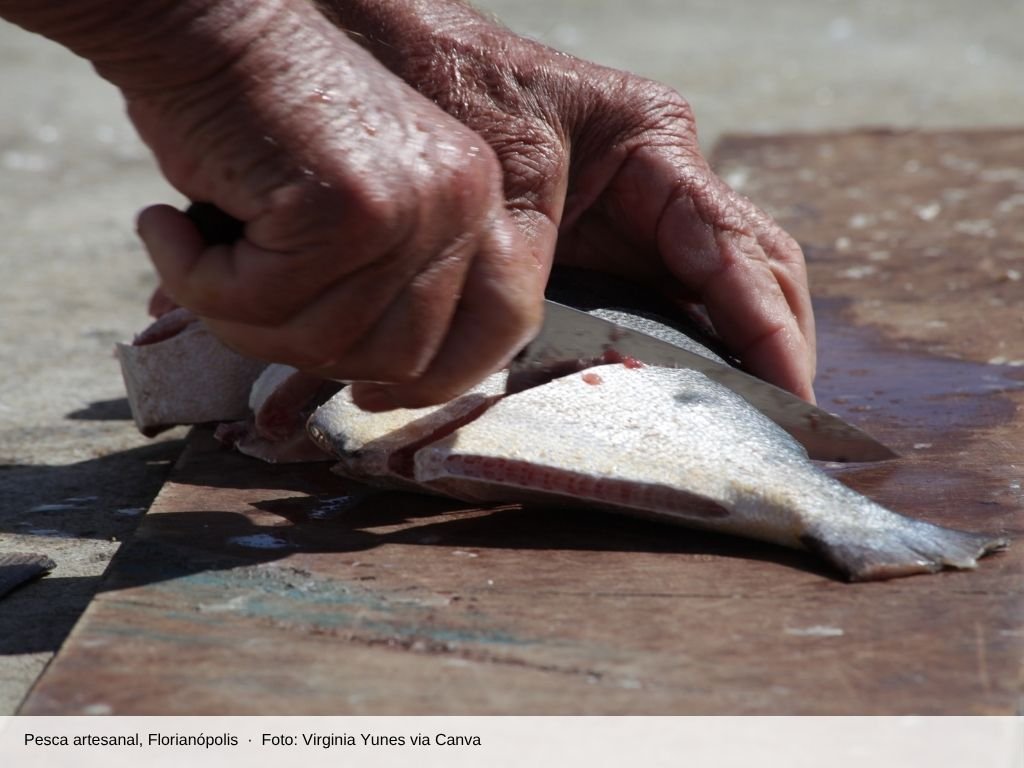
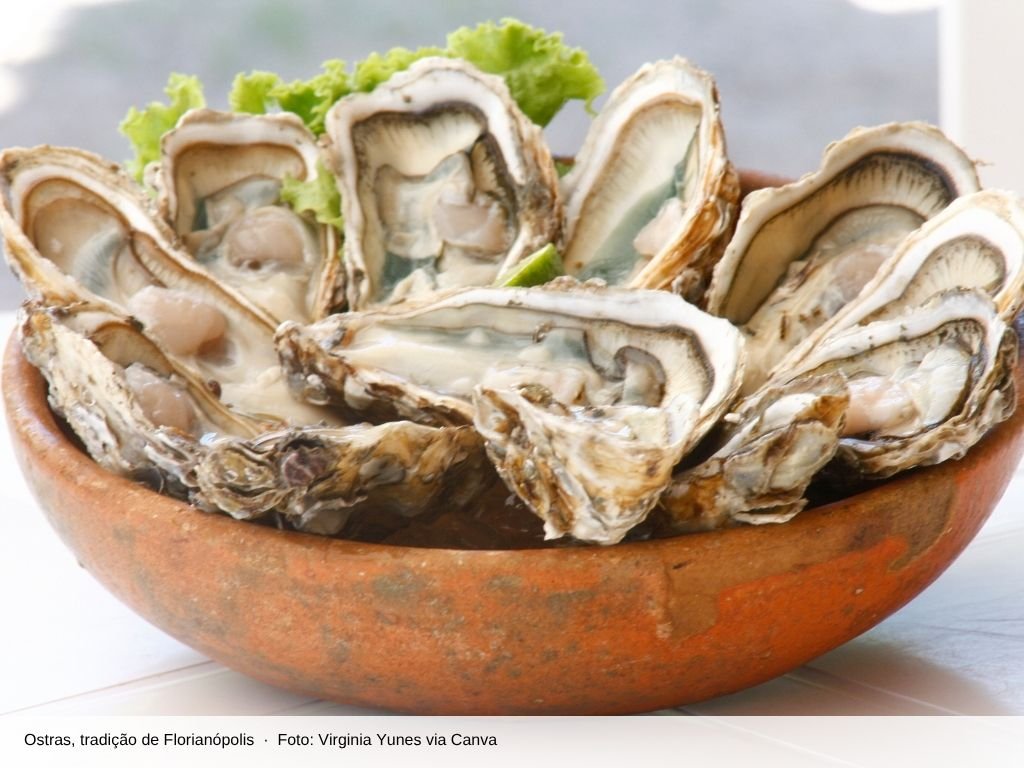
The city’s oysters come from marine farms in the bays, mainly in Ribeirão da Ilha and the Santo Antônio de Lisboa and Sambaqui regions. Florianópolis is the largest producer of oysters in Santa Catarina, a state that accounts for more than 97% of the mollusks farmed in Brazil. Classic dishes include raw oysters, steamed oysters, and oysters au gratin, and in the city center, you can find oysters at the Public Market.


Photos: Virginia Yunes via Canva.
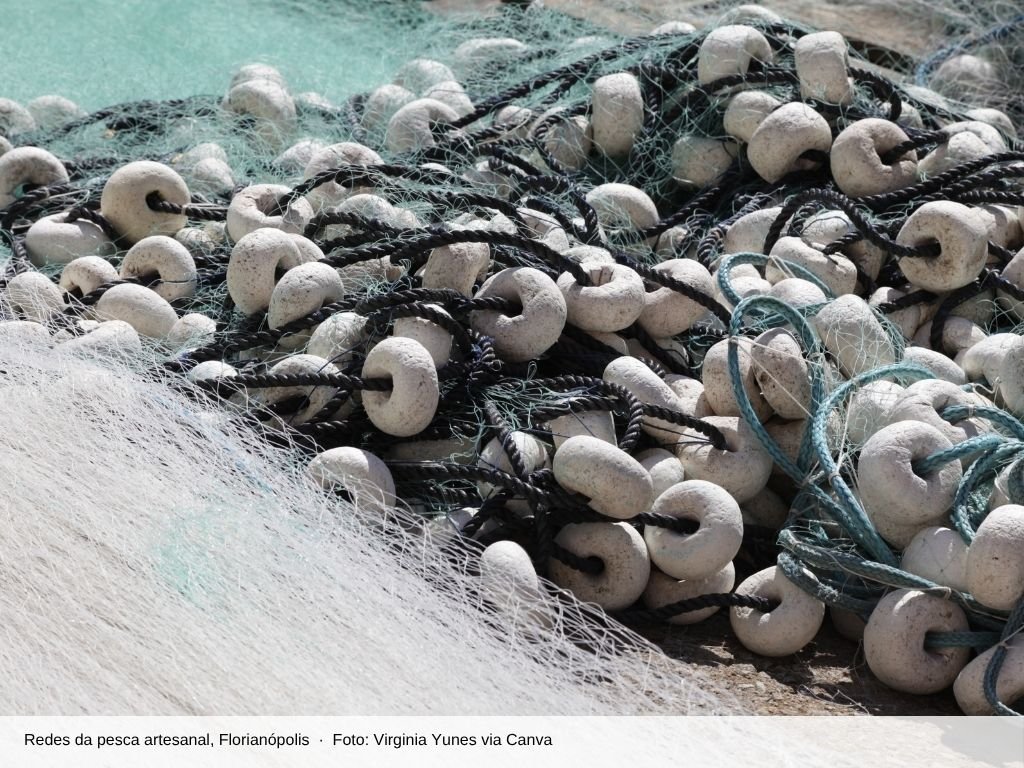
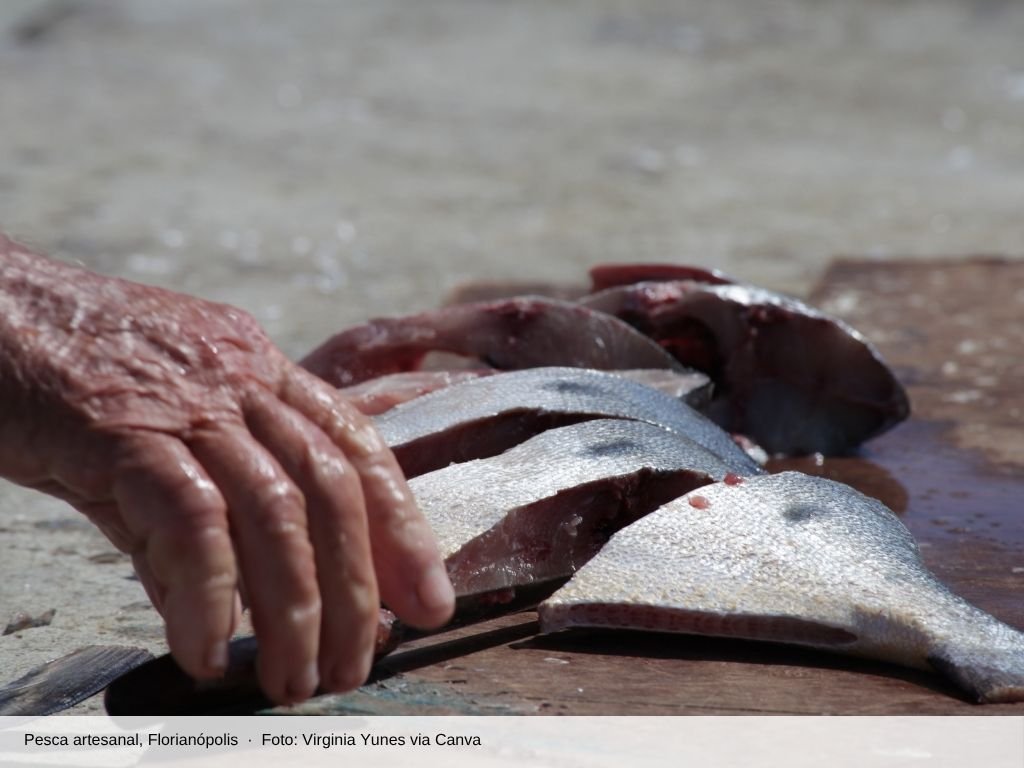
Between May and July, schools of mullet swim up the coast, and small-scale fishermen engage in beach trawling: a lookout spots the school, the canoes encircle the fish with a net, and the community pulls everything onto the sand. Pântano do Sul, Armação, Campeche, Barra da Lagoa, and Moçambique are among the beaches where this fishing method is part of the seasonal routine. To watch, stay on the sand, away from the net and the canoe.

Photos: Virginia Yunes via Canva.
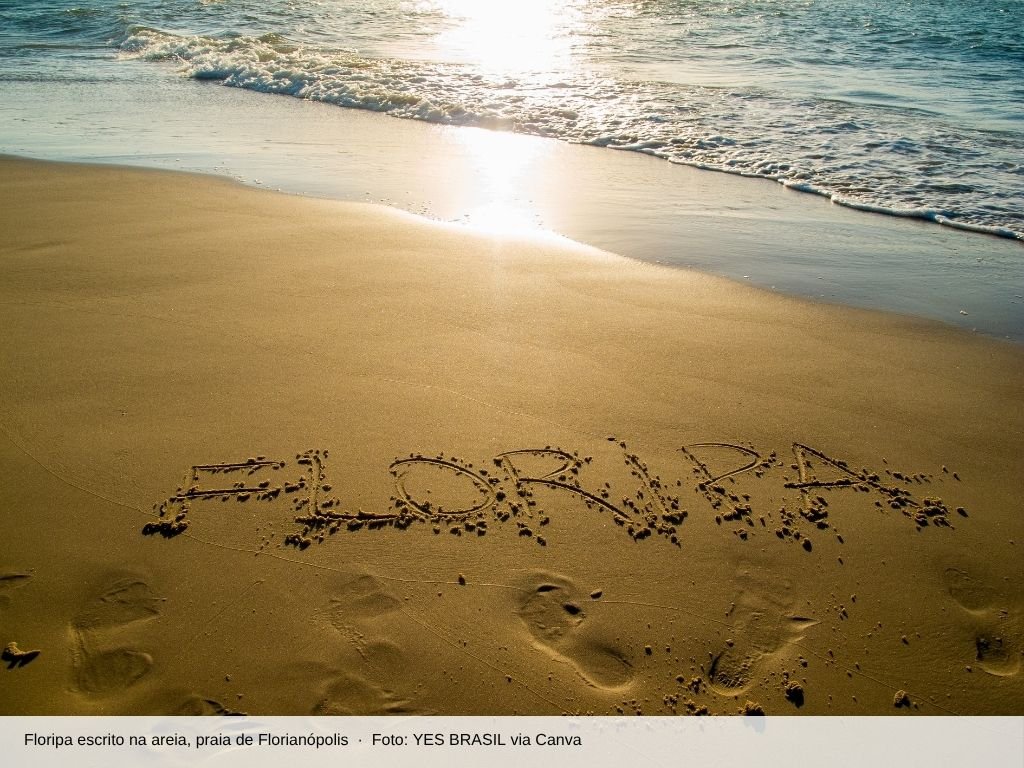
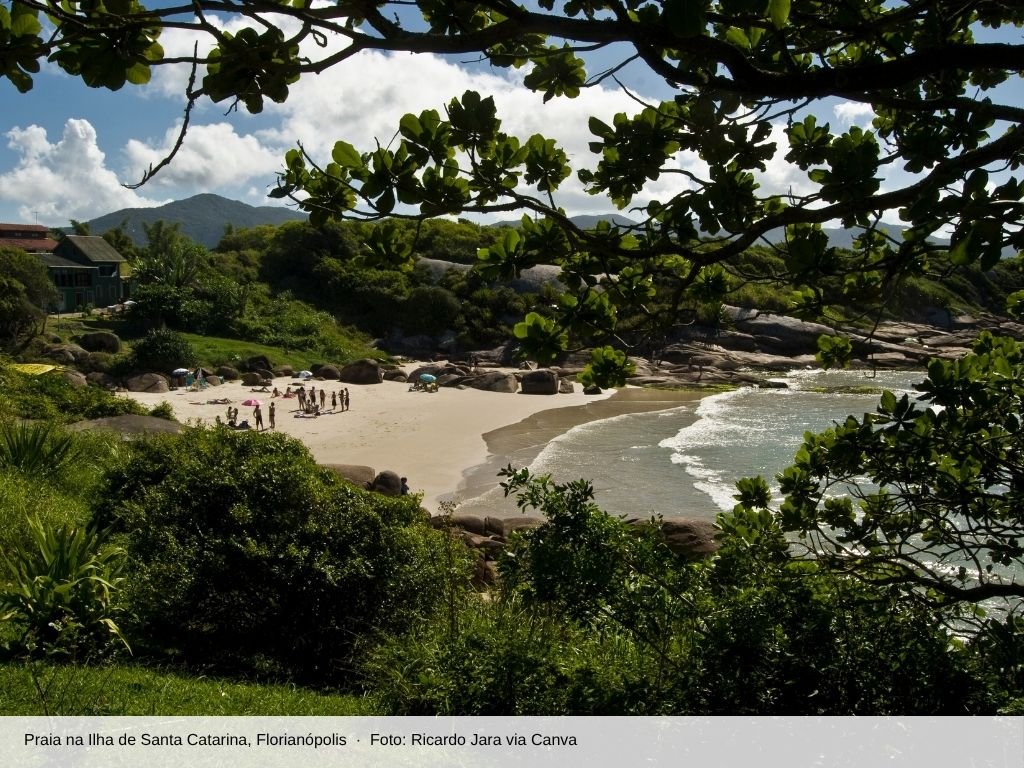
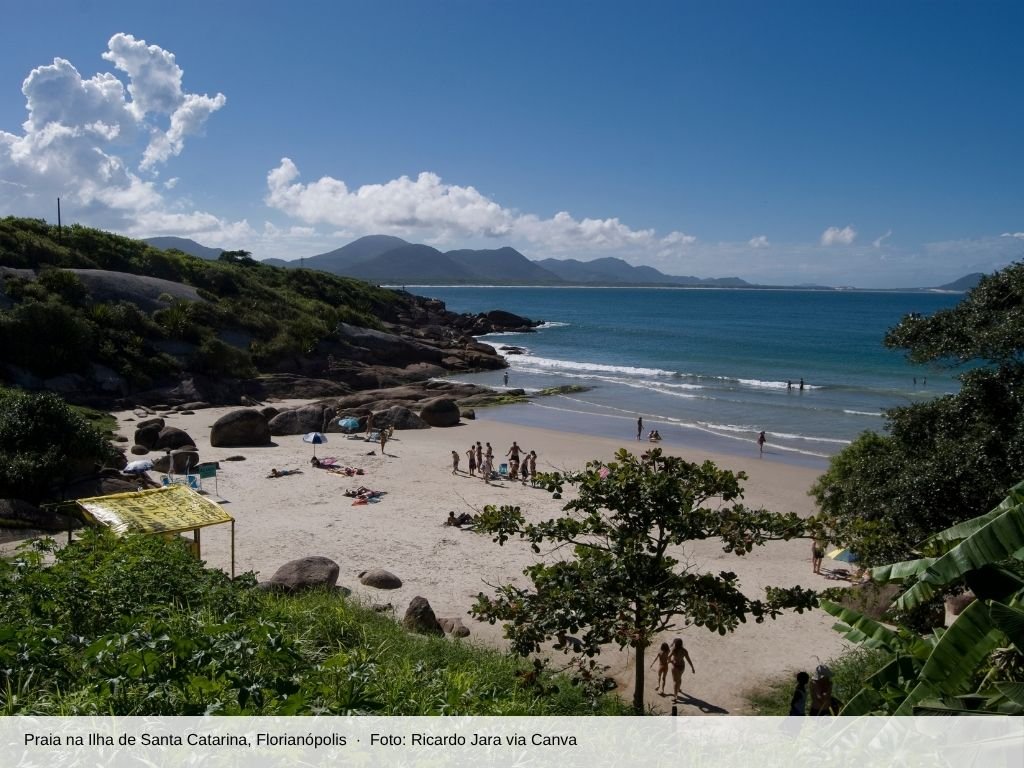
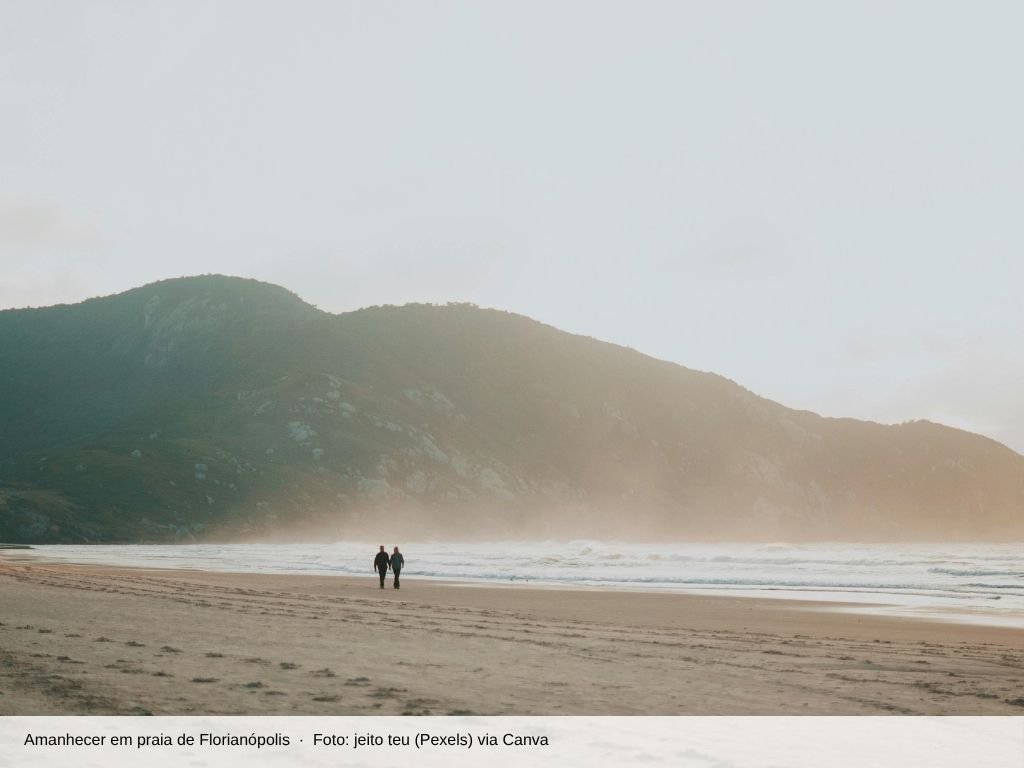
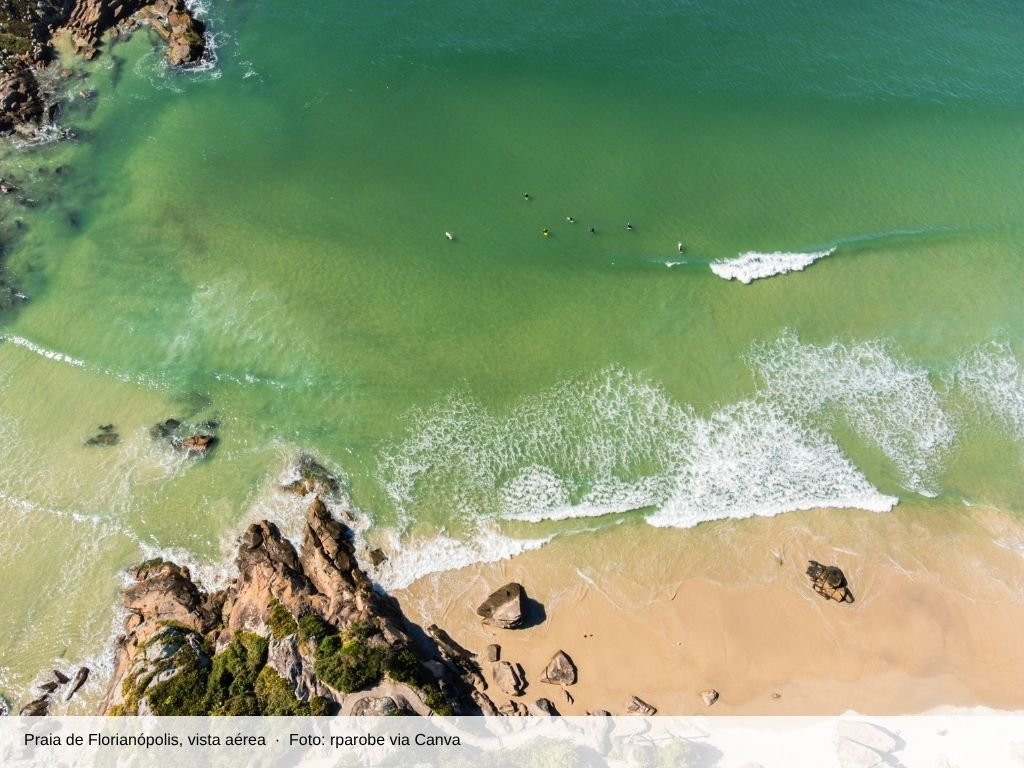
In addition to the most famous beaches, the island has quiet beaches like Naufragados and Galheta, which are accessible only by trail, and off-the-beaten-path options like Saquinho, Matadeiro, Gravatá, and Moçambique—the island’s longest beach. In the winter, the beaches are almost empty, and sunrise is the best time to walk and take photos.


Photos: YES BRASIL, Ricardo Jara, jeito teu (Pexels), and rparobe via Canva.
STAY IN DOWNTOWN
Return from your excursions to downtown, near the Public Market, the Hercílio Luz Bridge, and the bus station. Check out the accommodations at Hotel Farol da Ilha or read the blog’s guides to plan each excursion.
We use cookies to understand how the website is used and to show you more relevant ads for the hotel. You can choose which ones to accept. Learn more on our Cookie Policy.
Cookie Preferences